
What Is Dental Scaling and Why Should You Care?
Scaling meaning in dental care is the professional removal of plaque and calculus (tartar) from tooth surfaces, both above and below the gum line, using specialized instruments to treat and prevent gum disease.
Quick Answer for “Scaling Meaning in Dental”:
- What it is: Professional cleaning that removes hardened plaque (tartar) from teeth
- Tools used: Hand scalers or ultrasonic devices with water spray
- Purpose: Prevent gum disease and maintain oral health
- Frequency: Every 6-12 months for most adults
- Duration: 30-60 minutes depending on buildup
Think back to your first dental cleaning – that scratching sound as the hygienist worked around your teeth. That’s scaling in action. It’s one of the most common procedures in dental clinics, yet many patients don’t fully understand what’s happening or why it matters.
Scaling goes deeper than regular brushing and flossing can reach. While your toothbrush handles surface plaque, professional scaling tackles the hardened deposits that form below your gum line – areas where harmful bacteria love to hide and multiply.
Recent research shows that routine scaling can reduce calculus buildup significantly, though its impact on preventing gum disease in healthy adults is more nuanced than many people think.
As Dr. Kent Boon, Principal Dentist at Kita Dental in Sydney, I’ve performed thousands of scaling procedures and regularly educate patients about the scaling meaning in dental care and its role in maintaining long-term oral health.
Why This Guide Matters
Understanding dental scaling helps you make informed decisions about your treatment frequency, recognize when you might need more intensive care, better maintain your results between visits, and feel more comfortable during the procedure.
At Kita Dental, we believe educated patients are healthier patients. That’s why we take time to explain procedures and answer questions – because your oral health journey should never feel mysterious or intimidating.
What Is Dental Scaling? (aka “scaling meaning in dental”)
You know that satisfying feeling after a professional dental cleaning when your teeth feel incredibly smooth and clean? That’s the result of scaling – and there’s more science behind it than you might think.
Scaling meaning in dental care goes beyond just “cleaning your teeth.” It’s the systematic removal of bacterial biofilm, plaque, and calculus (tartar) from both visible tooth surfaces and those hidden spots below your gum line. The name “scaling” comes from the fact that hardened deposits literally need to be scaled off your teeth.
The American Academy of Periodontology defines scaling as “instrumentation of the crown and root surfaces of teeth to remove plaque, calculus, and stains.” While that sounds technical, it simply means we’re using specialized tools to clean areas your toothbrush can’t effectively reach.
Plaque starts as a soft, sticky biofilm that forms within hours of eating or drinking. If left undisturbed, it absorbs minerals from your saliva and hardens into calculus (tartar) – a cement-like substance that bonds firmly to your teeth. The real troublemakers are the subgingival deposits that form below your gum line, where harmful bacteria thrive.
When we perform scaling, we’re targeting two distinct areas: supragingival scaling removes deposits above the gum line (the ones you can see), while subgingival scaling tackles the hidden buildup below your gums where disease-causing bacteria hide.
Scaling Meaning in Dental History & Definition
Modern scaling focuses on more than just removing visible deposits. We now understand that it’s about disrupting harmful bacterial communities and creating an environment where healthy gum tissue can flourish.
When scaling needs to go deeper into periodontal pockets (the spaces between your teeth and gums), it often becomes part of “scaling and root planing.” This more intensive treatment includes smoothing the root surfaces to help your gums reattach properly. We typically recommend this approach when pocket depths measure 4mm or more.
Scaling Meaning in Dental Appointments: Step-by-Step
Initial Assessment comes first. We examine your gums, measure pocket depths, and identify any areas that need special attention. This assessment helps us determine whether you need routine scaling or something more intensive.
Instrument Selection depends on your individual needs. We might choose hand curettes (small, curved manual tools) for precision work, or ultrasonic scalers that use gentle vibrations and water spray for efficiency.
The systematic cleaning process is where the magic happens. We work methodically around your mouth, often dividing it into sections to ensure we don’t miss anything. The water coolant from ultrasonic instruments keeps you comfortable while flushing away loosened deposits and bacteria.
Finally, we do a thorough assessment and touch-ups, checking our work to ensure all deposits are removed and your gum tissue looks healthy. The entire process typically takes 30-60 minutes, depending on how much buildup you have.
How Dental Scaling Works: Tools, Techniques & Providers
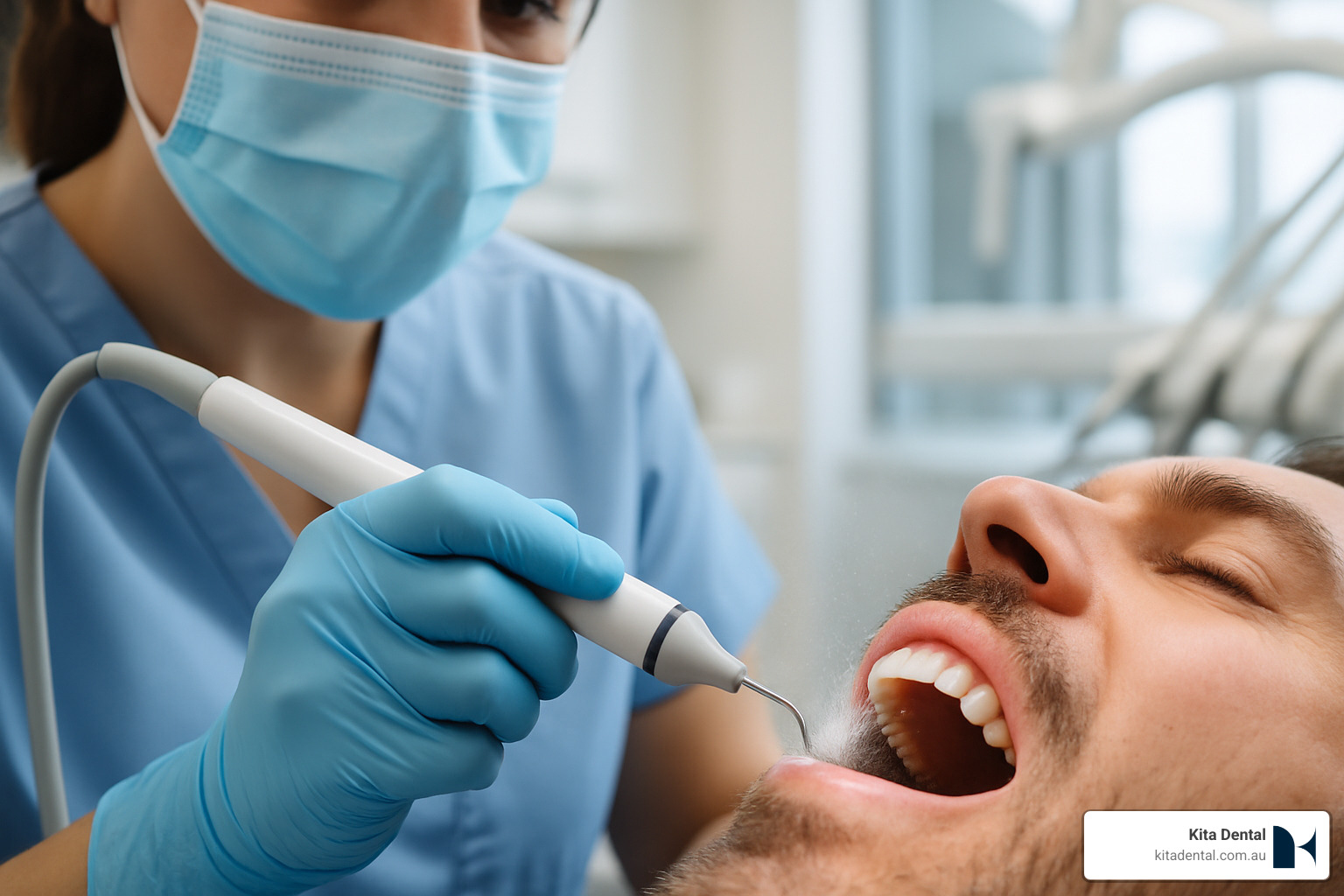
Understanding scaling meaning in dental care becomes clearer when you see the tools and techniques in action. Modern dental scaling uses sophisticated instruments designed for both effectiveness and your comfort.
Hand scalers and curettes are the precision tools of our trade. These carefully shaped instruments let us feel exactly what we’re doing as we work around each tooth. The curved tips are designed to match the natural contours of your teeth and slip gently beneath the gum line.
Ultrasonic scalers vibrate at incredibly high frequencies – 25,000 to 50,000 cycles per second. The vibrations feel more like a gentle buzzing than aggressive scraping. The water spray keeps the instrument tip cool, washes away debris, and creates tiny bubbles that help break up bacterial colonies through cavitation effect.
Sonic devices offer a middle ground between manual precision and ultrasonic power, operating at lower frequencies that some patients find more comfortable.
Manual vs. Ultrasonic: Efficiency & Comfort
Manual scaling gives us incredible precision and tactile feedback, letting us feel exactly what we’re removing. It’s particularly effective for detailed work around crowns, fillings, or sensitive areas.
Ultrasonic scaling excels at efficiently removing larger deposits and disrupting stubborn bacterial biofilms. The continuous water irrigation helps flush out debris from deep pockets.
| Aspect | Manual Scaling | Ultrasonic Scaling |
|---|---|---|
| Precision | Excellent tactile feedback | Good with experienced operator |
| Efficiency | Slower for heavy deposits | Faster for bulk removal |
| Comfort | Less vibration | May cause sensitivity |
| Bacterial Disruption | Mechanical only | Mechanical + cavitation effects |
We often use both approaches during your appointment for the most thorough and comfortable cleaning possible.
Who Performs It Best? Dentists vs. Hygienists/Therapists
Properly trained dental hygienists and dental therapists often perform scaling just as effectively as dentists. At Kita Dental, our team includes qualified professionals who specialize in preventive care and have extensive training in scaling techniques.
What matters for successful scaling is proper training, understanding of gum anatomy, skill with various instruments, and knowing when a situation requires additional expertise. Our hygienists perform scaling procedures frequently, developing exceptional skill and efficiency.
Pain Control & After-Care
With modern techniques and proper pain management, scaling doesn’t have to hurt. Topical anesthetic is often our first line of comfort – we apply numbing gel directly to your gums before treatment. For deeper cleaning or sensitive patients, we can provide local anesthesia.
After your scaling appointment, you might experience some sensitivity for 24 to 48 hours. This is normal – we’ve removed deposits that may have been protecting sensitive root surfaces. Some patients also notice slight gum tenderness or temporary bleeding when brushing.
We often apply fluoride varnish after scaling to help reduce sensitivity and strengthen your enamel. This protective coating continues working for hours after you leave our office.
Scaling vs. Polishing: Key Differences & Why They’re Often Paired
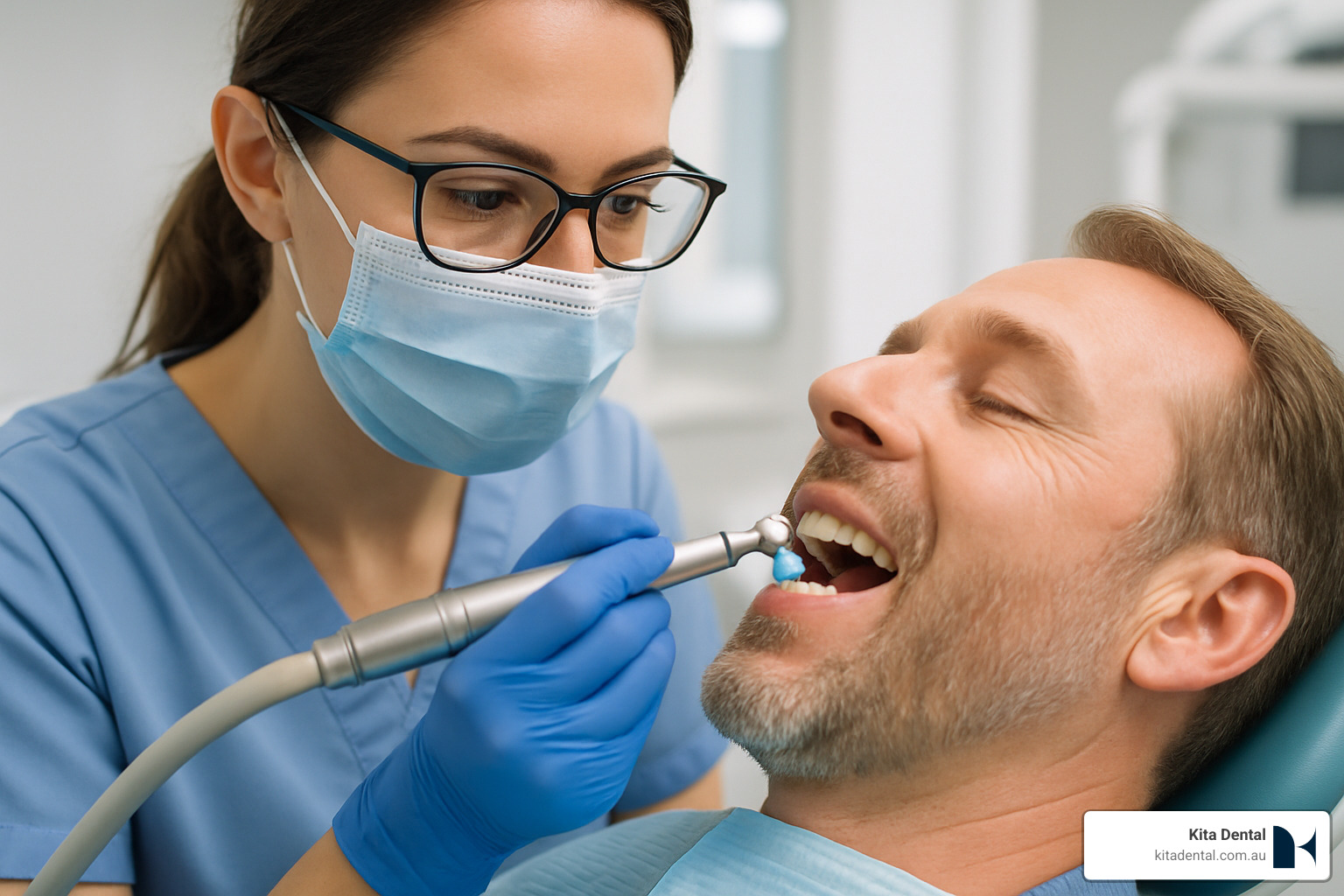
If you’ve wondered why your dental cleaning has two distinct phases, you’re picking up on the difference between scaling and polishing. While scaling meaning in dental care focuses on removing hardened deposits, polishing perfects what’s left behind.
Think of it like renovating a wall – first you scrape off the old paint (scaling), then you sand it smooth (polishing).
Scaling removes the stubborn stuff your toothbrush can’t touch – calculus, deep plaque, and bacterial buildup cemented to your teeth. This requires specialized scalers and ultrasonic devices.
Polishing creates the perfect foundation for oral health using rubber cup attachments that spin against your teeth with mildly abrasive prophy paste. For tougher stains, we might use air polishing systems that spray a gentle powder mixture.
The key difference? Scaling is about health, polishing is about both health and aesthetics.
Goals of Polishing After Scaling
Surface smoothing is the most important benefit you can’t see. After scaling removes deposits, tooth surfaces can have microscopic rough spots that act like velcro for new plaque. Polishing smooths everything out, creating surfaces that plaque slides right off.
Stain removal is the benefit most patients notice immediately. Coffee rings and tea stains are lifted away, revealing your natural tooth color underneath.
Patient satisfaction motivates better home care. When your teeth feel incredibly smooth and clean after polishing, you’re more likely to maintain good brushing and flossing habits.
Plaque retention reduction is the long-term payoff. Smooth surfaces stay cleaner longer, so your excellent cleaning results last longer between appointments.
Evidence Snapshot
A comprehensive Cochrane review on routine scale and polish found interesting results:
Calculus reduction showed clear benefits – professional scaling significantly reduces hardened deposits you can’t remove at home.
Gingivitis impact was more nuanced. For healthy adults with good home care, routine scaling didn’t show dramatic differences in gum inflammation over 2-3 years.
Frequency findings revealed that many healthy adults saw similar results whether they came in every 6 months or every 12 months.
These findings help us create treatment plans based on individual needs rather than rigid schedules. Scaling meaning in dental care is most valuable when custom to individual patients.
Benefits, Risks & Evidence of Routine Scaling
The scaling meaning in dental care extends far beyond removing visible deposits; it’s about creating the foundation for long-term oral health.
The benefits are well-established. Most importantly, it removes calculus deposits that can’t be eliminated through home care alone. Regular scaling significantly reduces bacterial load in periodontal pockets, helping prevent gingivitis from progressing to serious periodontitis.
Beyond oral benefits, research connects oral health to overall wellness. Poor oral hygiene and periodontal disease are associated with increased risk of heart disease, complications in diabetes management, and potential links to stroke. While scaling alone doesn’t prevent these conditions, maintaining good oral health contributes meaningfully to overall wellness.
Is Scaling Meaning in Dental Care Worth It for Healthy Adults?
Recent studies on healthy, low-risk adults found that routine scaling showed little to no difference in gingivitis scores over 2-3 years, despite significant calculus reduction. These findings require important context.
The research focused specifically on healthy adults without significant periodontal disease. Many patients don’t fall into this “low-risk” category due to factors like diabetes, smoking history, genetic predisposition, or previous periodontal treatment. For these individuals, regular scaling remains crucial.
The key insight isn’t that scaling is unnecessary, but rather that treatment frequency should be personalized based on individual risk factors rather than applying blanket intervals to everyone.
Potential Harms & How to Minimise Them
Dentin sensitivity represents the most common concern. When we remove calculus deposits, we sometimes expose previously covered root surfaces, leading to temporary sensitivity. We minimize this through proper technique, desensitizing agents, and post-treatment fluoride applications.
Gum recession can occur with over-aggressive instrumentation, though this is rare with proper technique. Modern ultrasonic scaling creates aerosols, which we manage through high-volume suction, antimicrobial pre-rinses, and proper ventilation.
Over-instrumentation can potentially damage tooth structure. We prevent this through thorough assessment before treatment, using appropriate instruments, and regular technique calibration.
Patient Perception & Quality of Life
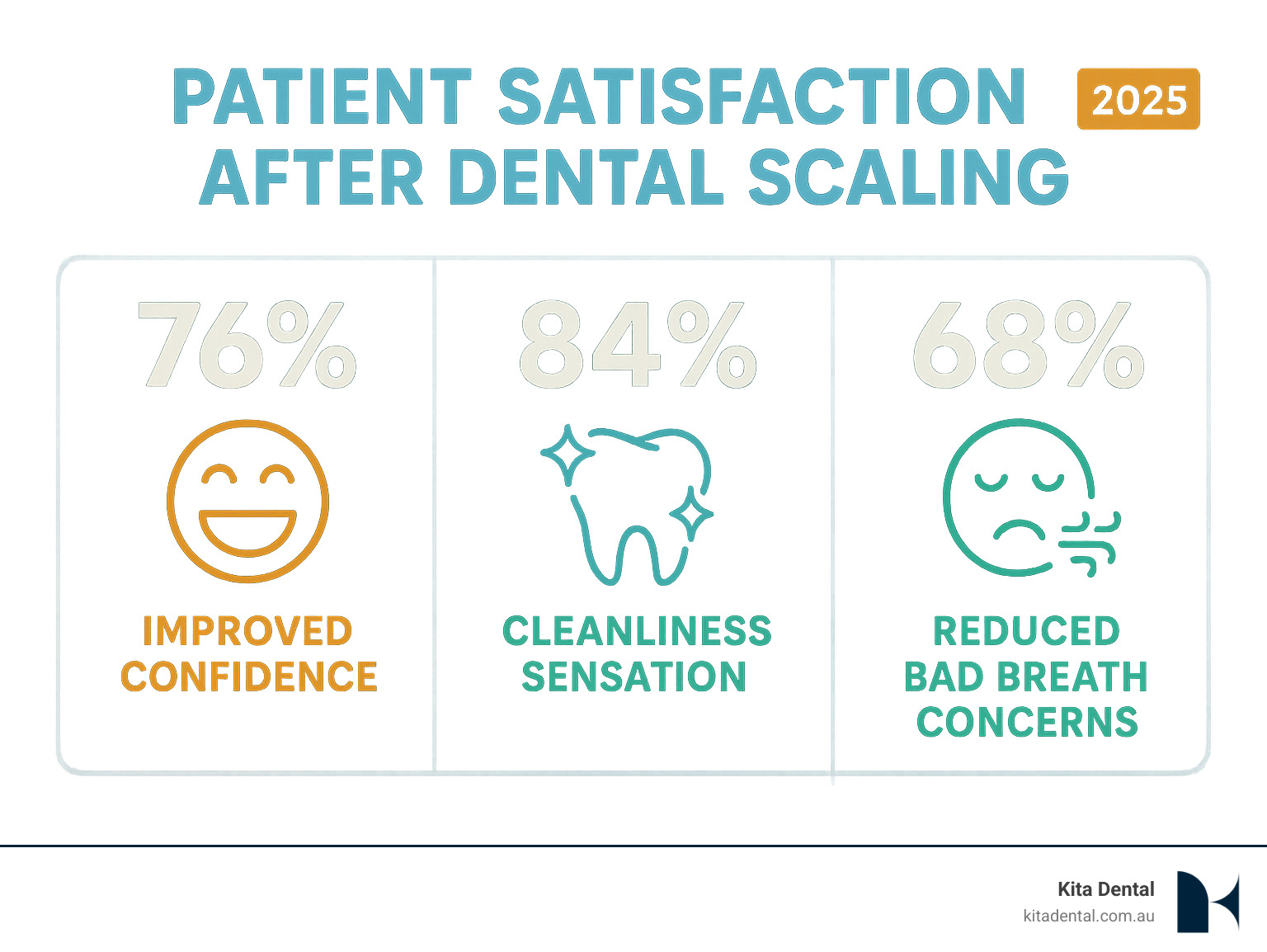
Patients consistently report meaningful improvements in quality of life following professional scaling. The immediate feeling of cleanliness and improved confidence represent real benefits that patients value highly. Many mention feeling more comfortable smiling and engaging socially after cleaning appointments.
These quality-of-life improvements, while difficult to measure clinically, represent real benefits. At Kita Dental, patients who understand both clinical evidence and personal benefits of scaling maintain better long-term outcomes.
How Often Should You Get Scaled? Frequency, Scheduling & Economics
The traditional “every six months” rule is being reconsidered in light of new research and individualized care approaches. At Kita Dental, we tailor recall intervals based on your specific risk factors and needs.
Six-Month, Twelve-Month or Custom Recall?
Evidence on Frequency:
Recent studies comparing 6-month versus 12-month scaling intervals found minimal differences in periodontal health outcomes for low-risk patients.
Risk-Based Scheduling:
Higher Risk (3-4 month intervals):
- Active periodontal disease
- Diabetes or other systemic conditions
- Smoking or tobacco use
- Heavy calculus formers
- Poor oral hygiene compliance
Standard Risk (6-month intervals):
- Good oral hygiene
- Stable gum health
- No systemic risk factors
- Moderate calculus formation
Lower Risk (9-12 month intervals):
- Excellent oral hygiene
- Minimal calculus formation
- No bleeding or inflammation
- Strong history of compliance
Cost-Effectiveness & Resource Use
The health economics of dental scaling involve balancing prevention against treatment savings. Regular scaling can prevent more expensive treatments like deep cleaning, periodontal surgery, and tooth replacement procedures.
Tailoring recall intervals to individual needs reduces unnecessary treatments for low-risk patients while ensuring adequate care for high-risk individuals, optimizing resource allocation and improving patient satisfaction through personalized care.
Frequently Asked Questions about Dental Scaling
After explaining scaling meaning in dental care to hundreds of patients at Kita Dental, I’ve noticed the same questions come up repeatedly. Let me address the most common concerns.
Does scaling whiten my teeth?
Scaling can definitely make your teeth look whiter, but it’s not actually whitening them in the traditional sense.
When we remove built-up calculus and surface stains during scaling, we’re revealing your natural tooth color that’s been hidden underneath. The polishing step is particularly effective at lifting stains from coffee, tea, or wine habits.
Think of it like cleaning a dirty window – you’re not changing the glass, just removing what’s covering it up. Your teeth will look brighter and cleaner, but we’re not altering their natural shade.
If you’re hoping for dramatic whitening results, scaling alone won’t get you there. Professional whitening works much better on clean teeth, so scaling is actually the perfect first step if you’re considering brightening your smile further.
Will gums bleed after scaling?
Don’t panic if you notice some bleeding after your appointment – this is completely normal, especially if your gums were inflamed before treatment. Most patients experience some degree of post-scaling bleeding, and it’s actually a sign that we’ve successfully removed irritating bacteria and deposits.
You might see pink in the sink when you brush for the first day or two. Some patients notice slight bleeding when flossing, particularly in areas where we removed significant calculus buildup.
The bleeding should gradually decrease as your gums heal and become healthier. Many patients find their gums bleed less during regular brushing after the initial healing period.
To help minimize bleeding, stick to gentle brushing with a soft-bristled toothbrush for the first few days. A warm salt water rinse can be soothing, and don’t stop your oral hygiene routine – gentle cleaning actually helps your gums heal faster.
Can I eat immediately after the procedure?
Most patients can eat right after scaling, but there are a few things to keep in mind.
If we didn’t use any numbing medication, you’re free to eat normally. However, your gums might feel tender, so softer foods for the first day can be more comfortable. Some patients experience temporary sensitivity to very hot or cold foods.
If we used local anesthesia, you’ll need to wait until the numbness completely wears off (usually 2-3 hours) to prevent accidentally biting your tongue or cheek.
For the first 24 hours, consider avoiding particularly hard, crunchy, or sticky foods that might irritate freshly cleaned gums. Stay well-hydrated, but skip very acidic drinks if you’re experiencing sensitivity. Room temperature beverages tend to be most comfortable.
Conclusion
Understanding the scaling meaning in dental care puts you in the driver’s seat of your oral health journey. It’s about recognizing how this procedure fits into your bigger health picture.
The research shows that scaling isn’t one-size-fits-all. While it effectively removes calculus deposits and helps maintain gum health, the frequency that works best depends on your individual risk factors, oral hygiene habits, and personal health goals.
At Kita Dental in Mascot, we take this personalised approach seriously. Rather than automatically booking everyone for six-month cleanings, we assess your unique situation and recommend a schedule that makes sense for you. Some patients thrive with annual cleanings, while others benefit from more frequent visits.
What matters most is that you feel informed and comfortable with your care. Whether you’re diligent about flossing or occasionally forget to brush, our team is here to support you without judgment.
The beauty of modern dental care is that we can tailor everything to your needs. If you’re nervous about scaling, we have comfort options. If you’re curious about the research, we love discussing the science. If you just want efficient care, we respect that too.
Your oral health affects so much more than just your teeth. The confidence from a healthy smile, comfort eating without sensitivity, and peace of mind knowing you’re preventing future problems – these benefits extend far beyond your mouth.
We’re open seven days a week because life doesn’t always fit into traditional business hours. Whether you need routine cleaning, have questions about your oral health, or want to understand more about what scaling meaning in dental care means for you personally, we’re here to help.
Ready to experience dental care designed around you? We’d love to show you how comfortable and straightforward maintaining your oral health can be.
For more information about our professional cleaning services and to schedule your personalised consultation, visit our scaling and cleaning page or contact our Mascot clinic today.