Skip to content
What is Scaling and Root Planing (and Why Isn’t It Just a Regular Clean?)
Many patients ask about the difference between a regular clean and a deep clean. While a regular cleaning (prophylaxis) removes plaque and tartar from above the gumline as preventative care, scaling and root planing is a therapeutic treatment for active gum disease.
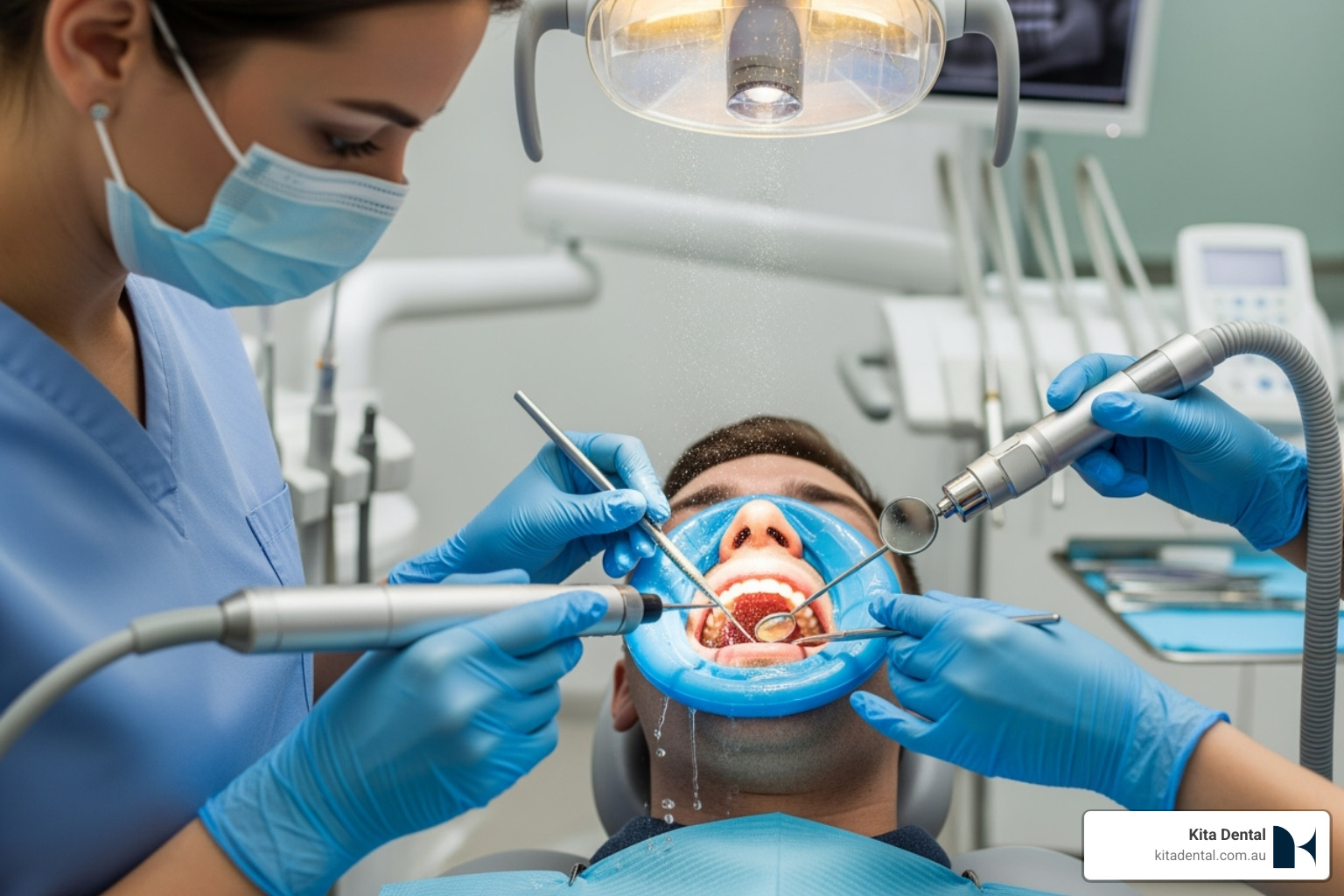
Scaling involves carefully removing hardened plaque and tartar (calculus) from both above and below the gumline, reaching into the periodontal pockets where bacteria thrive. Root planing follows by smoothing the tooth roots, which helps the gums reattach to the teeth and prevents bacteria from accumulating again. We use advanced tools like an ultrasonic scaler and precise hand instruments to ensure a thorough clean.
Here’s a quick comparison:
| Feature | Regular Dental Cleaning (Prophylaxis) | Deep Cleaning (Scaling and Root Planing) |
|---|---|---|
| Purpose | Preventative maintenance for healthy gums | Therapeutic treatment for active gum disease (gingivitis or periodontitis) |
| Areas Cleaned | Primarily above the gumline | Above and significantly below the gumline, down to the roots |
| Anaesthesia | Generally not needed, or only topical numbing for sensitivity | Often uses local anaesthesia to numb the gums for patient comfort |
| Typical Frequency | Every 6 months for most healthy patients | Typically a one-time treatment, followed by more frequent “periodontal maintenance” cleanings (e.g., every 3-4 months) |
The benefits of scaling and root planing stem from its role as a targeted treatment to stop gum disease. If you’re curious about why your dentist might recommend this specialized approach, we’ve explained it in more detail here: Why Do I Need Scaling and Root Planing Instead of a Regular Cleaning?
The Two-Step Process Explained
- Scaling: This step focuses on subgingival cleaning—removing the plaque and tartar buildup from deep within the pockets between your teeth and gums that cause inflammation. You can learn more about what scaling means in dentistry here: Scaling Meaning in Dental
- Root planing: After cleaning, we focus on smoothing tooth roots. This removes rough spots where bacteria cling, encouraging gum reattachment and reducing pocket depth to prevent future issues.
When is a Deep Clean Necessary?
A deep clean is necessary when a gum disease diagnosis reveals specific signs. At our clinic, we look for pocket depth measurement of 4mm or more, which indicates that regular cleaning is no longer sufficient. We also check for bone loss on X-ray, a sign of chronic periodontitis.
Symptoms like bleeding gums, bad breath, or loose teeth also point to the need for this treatment. Scaling and root planing is the most effective first step to remove hidden bacteria and give your gums a chance to heal. If you’re wondering about the safety and effectiveness of this treatment, we’ve covered that topic in detail: Is Scaling Good for Teeth?
The Top Oral Health Benefits of Scaling and Root Planing
Scaling and root planing is a crucial investment in your oral health, creating a foundation for lasting confidence and future smile goals. It’s a therapeutic treatment that goes beyond a standard cleaning to address gum disease at its source.
This procedure acts as a reset for your gum health, working to preserve your natural teeth and creating the ideal canvas for cosmetic treatments. For many of our patients, it’s often the turning point in their oral health journey.
The benefits of scaling and root planing are comprehensive. By halting disease progression, removing bacteria, and smoothing root surfaces, we also improve your smile aesthetics. The result is reduced inflammation, healthier-looking gums, and a fresher, more confident smile that provides a solid foundation for your dental goals.
1. Halts Gum Disease and Prevents Tooth Loss
The most critical benefit of scaling and root planing is its ability to halt gum disease and prevent tooth loss. This deep cleaning procedure intervenes in the destructive cycle of periodontitis.
The primary goal is stopping periodontitis progression. By removing the bacterial irritants below the gumline, we halt the inflammatory process that destroys gum tissue and bone. A July 2015 study in the Journal of the American Dental Association confirms that this treatment is highly beneficial for patients with chronic periodontitis. For more on the effectiveness, you can refer to this study: A July 2015 study finds SRP is beneficial for chronic periodontitis
Key outcomes include:
- Reduction in gum inflammation and bleeding: As irritants are removed, gums become healthier, firmer, and less prone to bleeding.
- Prevents bone deterioration: Removing the bacteria protects the jawbone from the damage that leads to tooth loss.
- Securing loose teeth: In early to moderate stages, reducing inflammation and encouraging gum reattachment can help stabilize loose teeth.
- Reduction in pocket depth: A 2015 review found that these procedures reduce the gap between teeth and gums, making it harder for bacteria to accumulate.
This treatment is essential for safeguarding your smile and provides the healthy foundation needed for cosmetic procedures like dental implants or veneers.
2. Creates a Healthy Foundation for Cosmetic Dentistry
One of the most significant benefits of scaling and root planing is creating a healthy foundation for cosmetic dentistry. At Kita Dental, we know that a successful smile makeover—whether with implants, veneers, or orthodontics—starts with healthy gums.
- Dental Implants: Implants require healthy bone and gum tissue to succeed. Gum disease can lead to peri-implantitis, a condition that causes implant failure. Scaling and root planing treats this underlying issue, giving your implants the best chance of long-term success.
- Porcelain Veneers: Healthy, firm gums are essential for veneers to look natural and fit perfectly. Inflamed gums can compromise the aesthetic result and the longevity of the veneers.
- Invisalign and Braces: Orthodontic treatment moves teeth through gum and bone tissue. Active gum disease can complicate this process and lead to gum recession. Treating it first ensures tooth movement is predictable and safe.
By addressing gum disease before starting cosmetic work, we prevent future complications and ensure your investment in a new smile stands the test of time.
3. Eliminates Persistent Bad Breath (Halitosis)
A noticeable and immediate benefit of scaling and root planing is the elimination of persistent bad breath (halitosis) caused by gum disease. The odour is often caused by bacteria releasing sulfur compounds from deep within the gum pockets, where brushing can’t reach.
This deep cleaning treatment works by:
- Bacteria removal: It physically cleans out the bacterial colonies hiding below the gumline.
- Plaque biofilm disruption: It breaks up the sticky, protective layer that bacteria form, which is resistant to regular brushing.
By treating the deep-seated infection at its source, scaling and root planing effectively resolves the underlying cause of bad breath. Our patients often report significantly fresher breath and renewed confidence soon after their treatment.
Beyond the Smile: How Deep Cleaning Boosts Your Overall Health
The benefits of scaling and root planing extend beyond your smile to your overall health, thanks to the mouth-body connection. Harmful oral bacteria can enter the bloodstream, causing inflammation and contributing to systemic health issues.
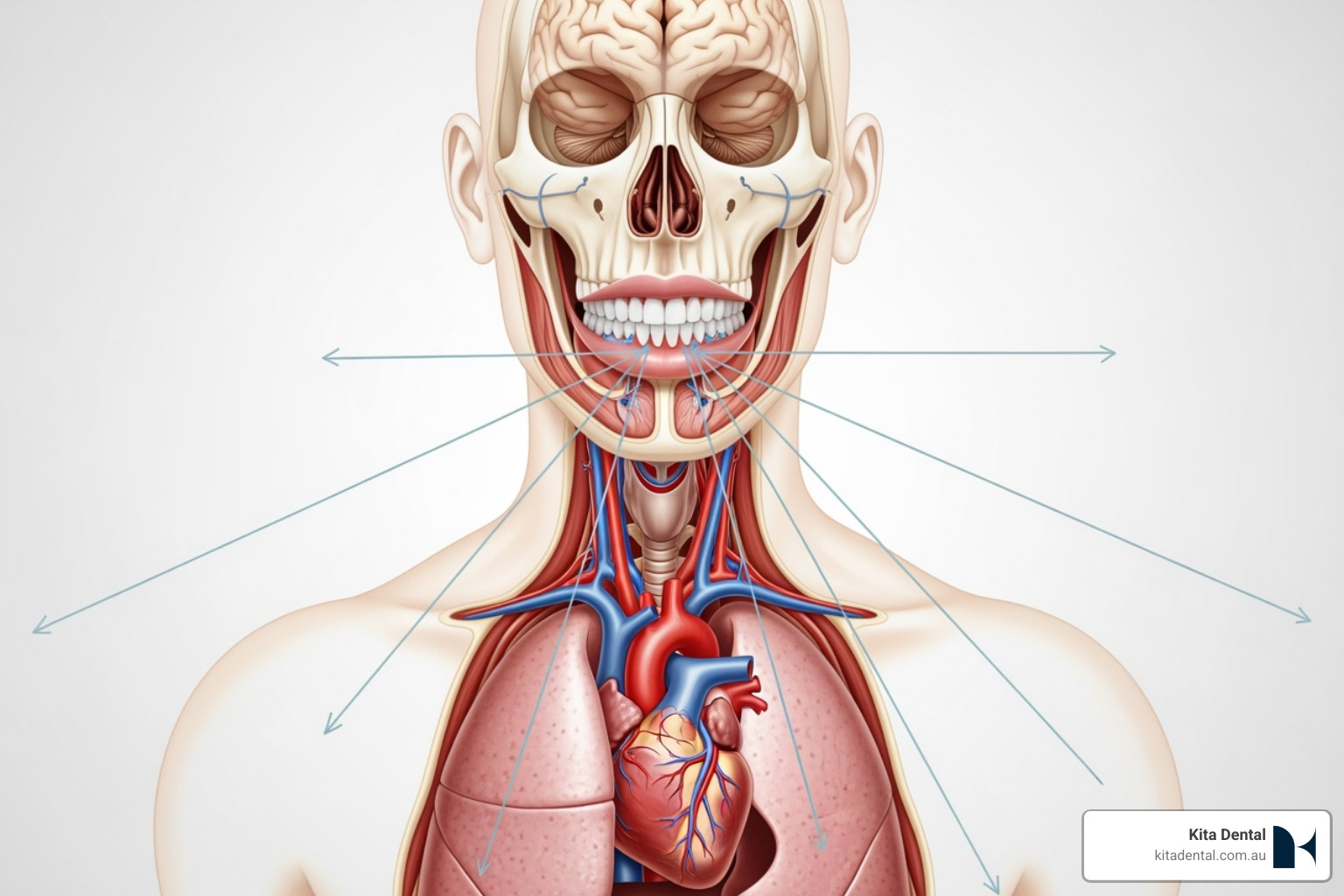
By treating gum disease, we reduce the amount of oral bacteria in the bloodstream, which lowers the body’s overall inflammatory load. This improvement in systemic health is a crucial benefit of deep cleaning. The inflammation reduction after treatment helps your immune system function more effectively.
The Link Between Gum Health and Systemic Conditions
Research has established clear links between gum disease and other serious health conditions:
- Cardiovascular Health: People with gum disease have a significantly higher risk of heart attack and stroke. The bacteria can contribute to the hardening of arteries. [Research on the link between gum disease and heart disease](https://www.health.harvard.edu/heart-health/gum-disease-and-heart-disease-the-common-thread#:~:text=People%20with%20gum%20disease%20(also,gum%20disease%20develops%20heart%20problems.) shows just how significant this connection is.
- Diabetes Management: Gum disease can make it harder to control blood sugar levels. Treating it often improves diabetes management.
- Respiratory Health: Oral bacteria can be inhaled, potentially causing pneumonia and other respiratory infections.
Untreated gum disease has also been linked to rheumatoid arthritis, kidney disease, and pregnancy complications. By investing in this treatment at our clinic, you are taking a powerful step toward better overall health.
The Scaling and Root Planing Procedure: What to Expect
Understanding the scaling and root planing procedure can help you feel more comfortable and confident. Here’s what to expect at our clinic.
During Your Appointment
Your comfort is our priority. We use local anaesthesia to numb the area, ensuring a painless procedure. For anxious patients, a numbing gel can be applied first. The treatment is often done in sections (quadrant treatment) over one or two multiple visits to be thorough. We use ultrasonic instruments to break down tartar and manual scaling tools for precision cleaning. Sessions typically last one to two hours. For a comprehensive look at what this treatment involves, you can explore more about the considerations here: The Pros and Cons of Deep Cleaning Teeth.
Recovery and Aftercare
Recovery is generally quick. You may experience temporary tooth sensitivity and minor gum tenderness for a few days, which can be managed with over-the-counter pain relievers. We recommend a temporary soft food diet. We will provide specific oral hygiene instructions to aid healing. It is vital that you follow our aftercare advice, and please note that avoiding tobacco is crucial for healing: avoiding tobacco is crucial for healing. A follow-up visit will be scheduled to monitor your progress. We also encourage you to maintain excellent daily oral hygiene habits to prevent future gum problems: Dentists Recommend These Habits to Keep Your Teeth and Mouth Healthy.
Long-Term Maintenance for Lasting Benefits of Scaling and Root Planing
To maintain the benefits of scaling and root planing, ongoing care is essential. This includes:
- Periodontal Maintenance: These are more frequent cleanings, typically on a 3-4 month recall schedule, to prevent the disease from returning.
- Home Care: A diligent routine of brushing your teeth twice a day and daily flossing is critical to keep your gums healthy.
This long-term plan protects your investment and ensures lasting results. Regular dental visits truly are one of the most important things you can do for your oral health: Regular Dental Visits: Why They Are So Important for Your Oral Health.
Frequently Asked Questions about Deep Cleaning
Here are answers to common questions about scaling and root planing.
Is scaling and root planing painful?
No. We use a local anaesthetic to ensure you are completely comfortable during the procedure. You may feel some mild post-procedure sensitivity or tenderness for a few days, which is normal and manageable with over-the-counter pain relief.
How long does recovery take after a deep cleaning?
Recovery is quick. Most people resume normal activities the same day. Any gum tenderness or sensitivity typically resolves within a few days to a week. Your gums will continue to heal and reattach over the following weeks, which we monitor at a follow-up appointment.
How are the benefits of scaling and root planing different from a regular clean?
A regular clean is preventative, removing plaque from above your gumline on healthy teeth. Scaling and root planing is therapeutic, designed to treat active gum disease. It involves cleaning significantly below the gumline to remove deep-seated bacteria, halt the disease, and allow your gums to heal. It’s a treatment, not just a cleaning.
Conclusion: A Healthier Smile Starts with Healthy Gums
At Kita Dental in Mascot, Sydney, we believe a healthy smile starts with healthy gums. The benefits of scaling and root planing provide the essential foundation for your long-term oral health and any cosmetic goals you may have. This treatment is a prerequisite for procedures like dental implants, veneers, Invisalign, or braces, ensuring they are built on a strong, disease-free foundation.
Scaling and root planing offers multiple advantages simultaneously: it halts the progression of gum disease, prevents tooth loss, eliminates that persistent bad breath, and contributes to your overall health. Our patient-focused team ensures you are comfortable and informed throughout your treatment.
If you have noticed signs of gum disease or are considering cosmetic dentistry, investing in your gum health is the first and most important step. Ready to open up your smile’s full potential? Visit our welcoming Mascot clinic, open seven days a week. Let’s build a healthy foundation for your smile together.
Learn more about our General Dental Care services and how we can support your smile journey: Learn more about our General Dental Care services.
This article has been medically reviewed by Dr. Kent Boon, Principal Dentist at Kita Dental.