Skip to content
Why Gingival Recession After Orthodontic Treatment Needs Attention
Many patients who complete their orthodontic journey are concerned to find their gums have receded around certain teeth. This is a common issue that needs attention.
Quick Answer for Orthodontic Gum Recession:
- What causes it: Orthodontic forces moving teeth outside their natural bone housing
- Signs to watch for: Exposed tooth roots, increased sensitivity, “longer” looking teeth
- The solution: Gingival grafting using your own tissue or donor material
- Success rate: 95% success rate for gum grafting procedures
- Best timing: Usually after orthodontic treatment is complete
While achieving a perfect smile is rewarding, orthodontic treatment can sometimes lead to gingival recession, particularly when teeth are moved beyond their natural bony envelope. Research shows that gingival recession affects a significant portion of adults, with some studies indicating an increased risk among orthodontically treated patients.
The good news is that modern gingival grafting techniques can effectively restore your gum line and protect your orthodontic investment. Digital analysis has shown that recession depth can be reduced by up to 1.86mm through proper intervention, with gum grafting boasting an impressive 95% success rate.
Here at our Sydney clinic, we have helped countless patients restore their gums after orthodontic treatment. With post-graduate training in implantology and oral surgery, our team uses advanced techniques like digital assessment and minimally invasive grafting to provide the expertise to address gingival recession effectively.
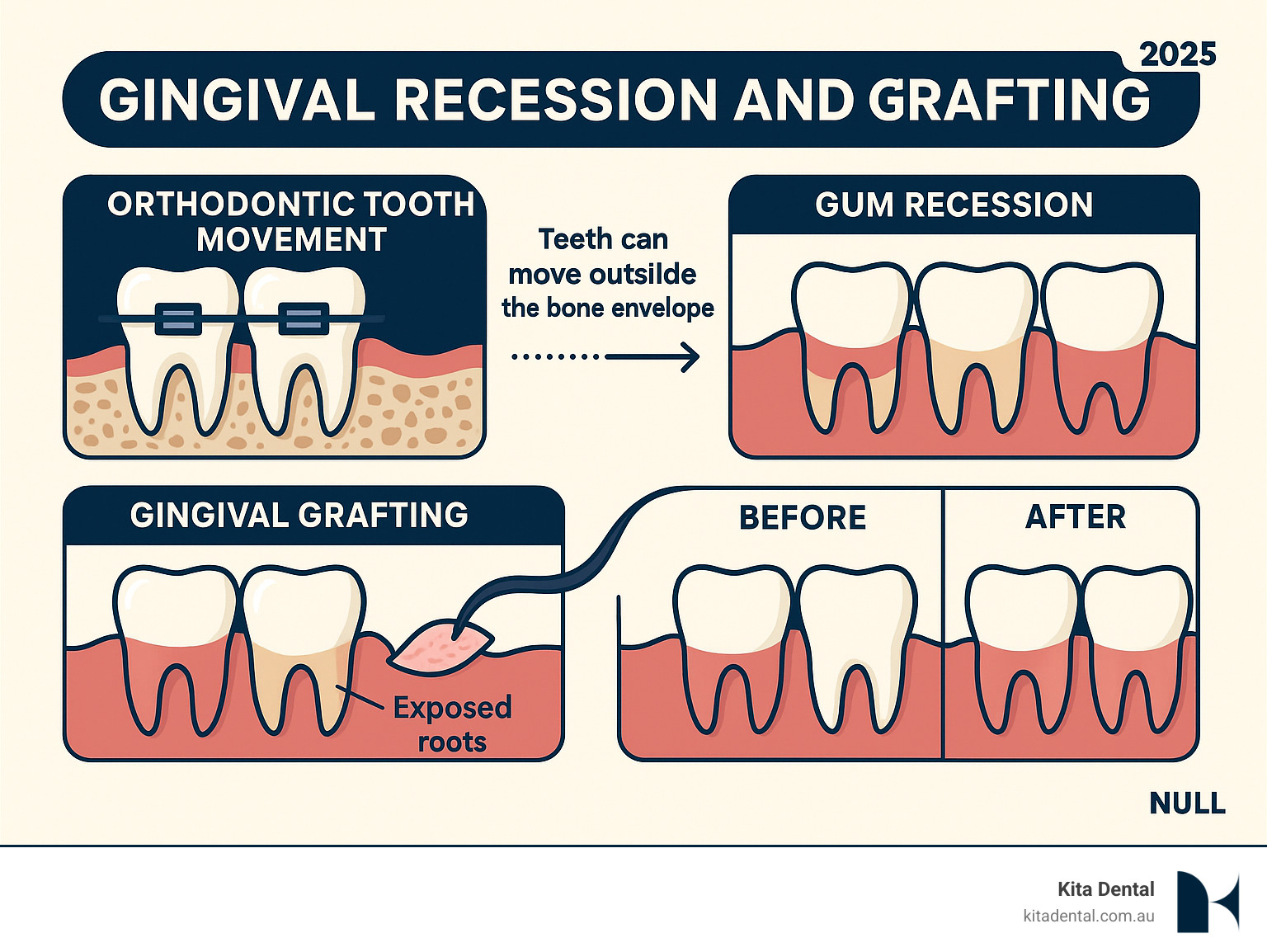
Understanding Gingival Recession: Why Are My Gums Shrinking?
Gingival recession is when your gum tissue pulls back or wears away, exposing more of your tooth or even the delicate exposed tooth root. This isn’t just about looks; the exposed root is vulnerable to damage and decay because it lacks the tough enamel that covers the crown of your tooth.
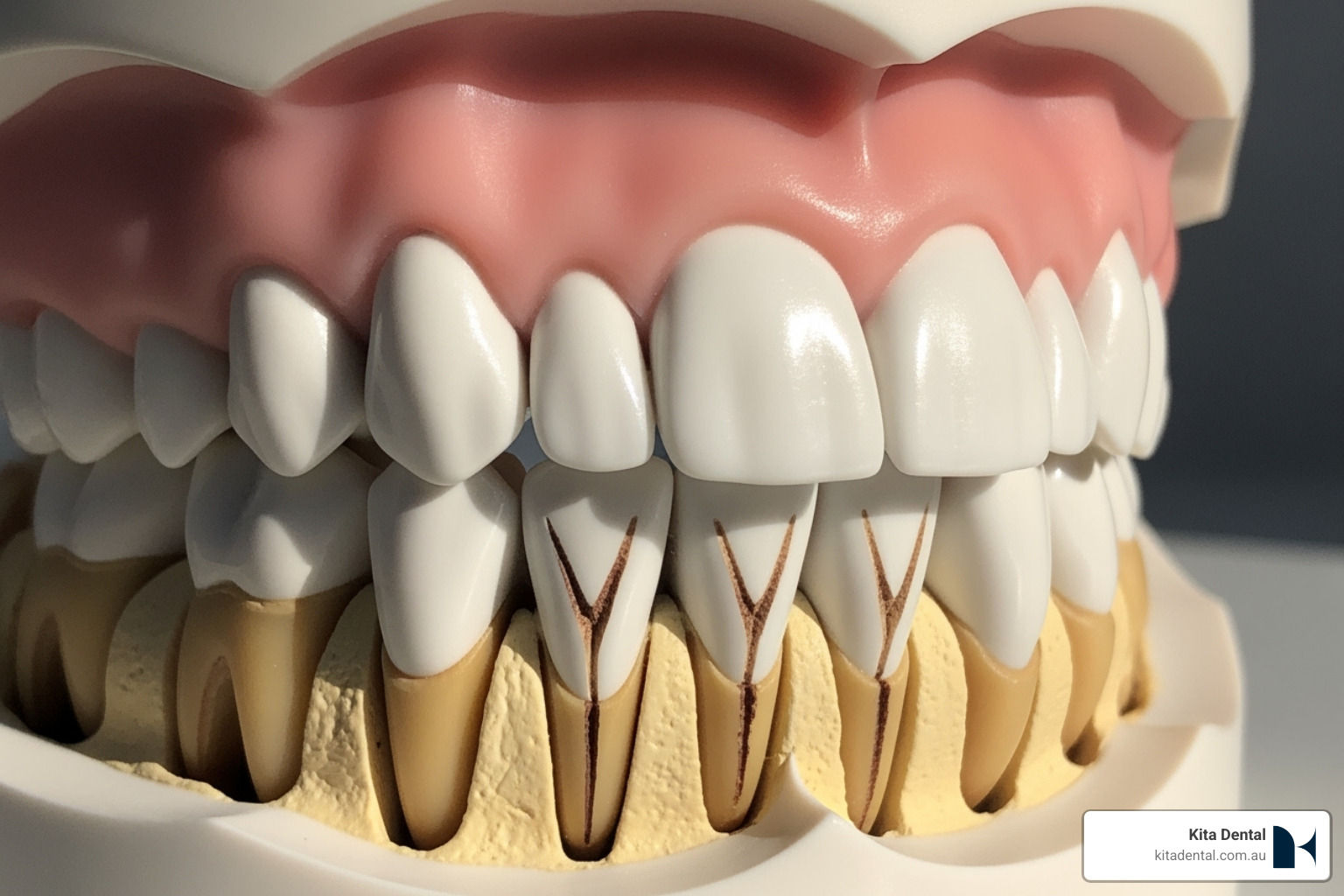
Signs and symptoms often develop gradually. The most common complaint we hear at our clinic is tooth sensitivity. A wince from hot coffee or cold ice cream on a Sydney day happens because the exposed root surface leaves nerve endings more vulnerable.
You might also notice your teeth looking longer-looking teeth than before, or feel small notches near the gum line with your tongue. This is because more of the tooth is visible as the gum line has moved.
The common causes for this condition vary. Periodontal disease is a primary cause, where bacteria and inflammation destroy supporting gum tissue and bone over time.
Aggressive brushing is another frequent culprit. Using too much force or a hard-bristled brush can physically wear away your gums. We always recommend gentle, circular motions with a soft brush.
Genetics also play a role. Some people inherit naturally thin gum tissue (a thin gingival biotype), making them more prone to recession regardless of their oral hygiene.
Finally, orthodontic treatment can be a factor. The forces involved in moving teeth can sometimes push them beyond their natural boundaries, leading to gum recession, especially in patients who already had thin gums.
Understanding what’s happening with your gums is the first step toward getting a healthy, confident smile back. We have the expertise and solutions to help.
The Link Between Braces and Gum Recession
Getting braces is a fantastic investment in your smile. However, the process that straightens your teeth can sometimes lead to gingival recession caused by orthodontic treatment.
This doesn’t happen to everyone, and it’s completely treatable. Understanding why it occurs can help you spot the signs early.
How do orthodontic forces affect your gums? Each tooth sits in a supportive “bony housing” within the jawbone. Orthodontic treatment applies pressure to move teeth, but problems can arise if a tooth is pushed beyond the natural limits of this bone. When this happens, the overlying gum tissue loses its support and recedes, exposing the tooth root.

Several risk factors make some people more vulnerable. If you have thin gum tissue (a “thin gingival biotype”), your gums are more delicate and less able to handle the stress of tooth movement.
Poor oral hygiene during treatment is another major risk. Keeping teeth clean with braces is challenging. Brackets and wires create hiding spots for plaque, and the resulting inflammation around moving teeth can contribute to gum recession.
Surprisingly, orthodontic treatment can sometimes improve existing recession. This phenomenon, called “creeping attachment,” occurs when moving a tooth into a better position allows the gum to naturally migrate back over the root. Scientific research on the role of orthodontics in repairing recession has shown that spontaneous improvement of up to 1.86mm can occur simply through proper tooth repositioning.
The key takeaway is that every patient’s situation is unique. At our Mascot clinic, we work closely with orthodontists across Sydney to monitor gum health during treatment. If recession develops, our advanced gingival grafting techniques can restore your gum line and protect your orthodontic investment.
Your Guide to Gingival Recession and Grafting: Gingival Recession Caused by Orthodontic Treatment and How Gingiva Grafting Can Fix Them
When orthodontic treatment leaves you with receding gums, it can be disheartening. The good news is that gingival grafting is a highly effective solution to restore your gum line and protect your teeth. At our Mascot clinic, we’ve helped countless patients regain their confidence with this procedure.
Grafting is more than a cosmetic fix; it’s about protecting your oral health. The procedure works by covering exposed tooth roots, thickening gum tissue, and creating a barrier against further recession.
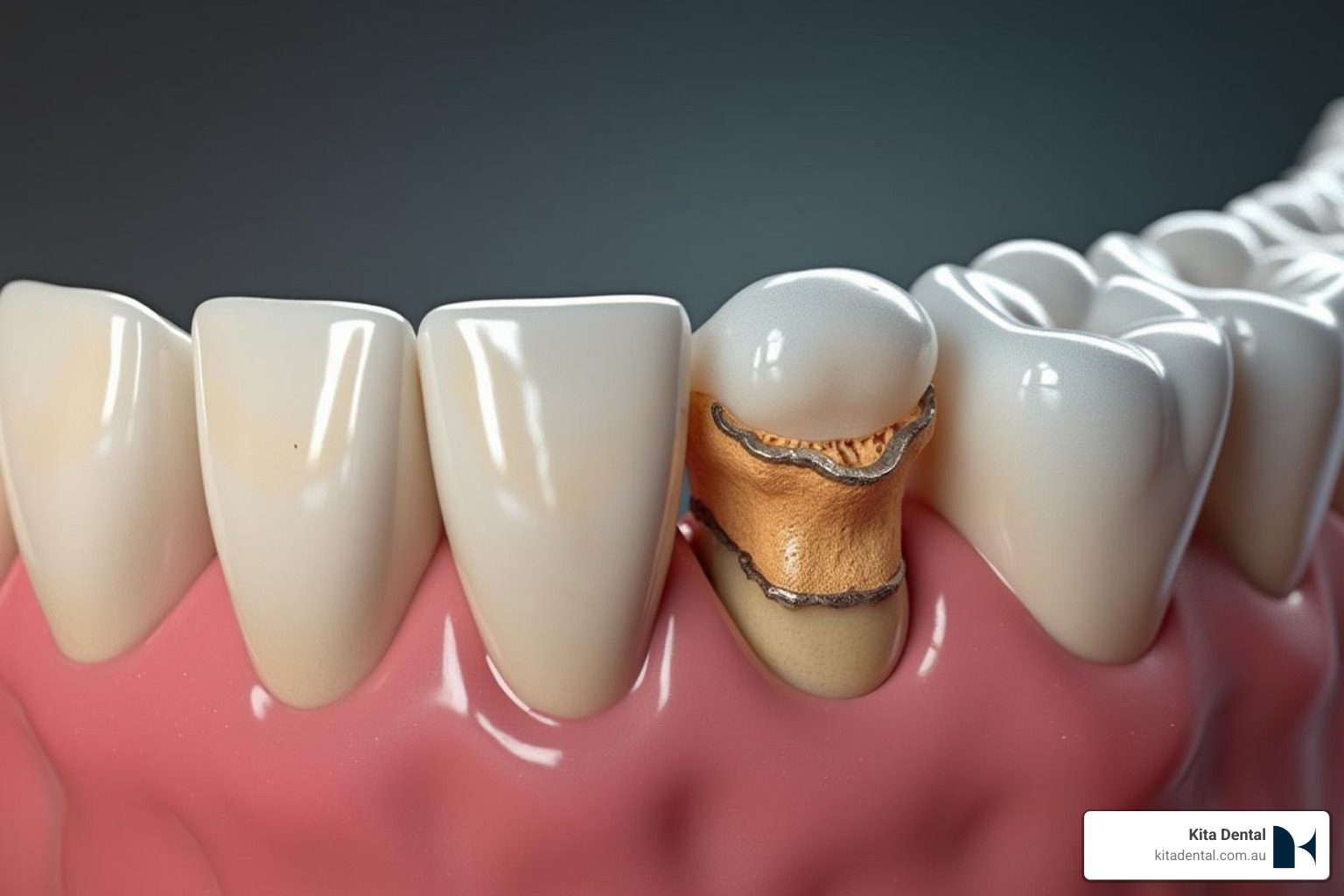
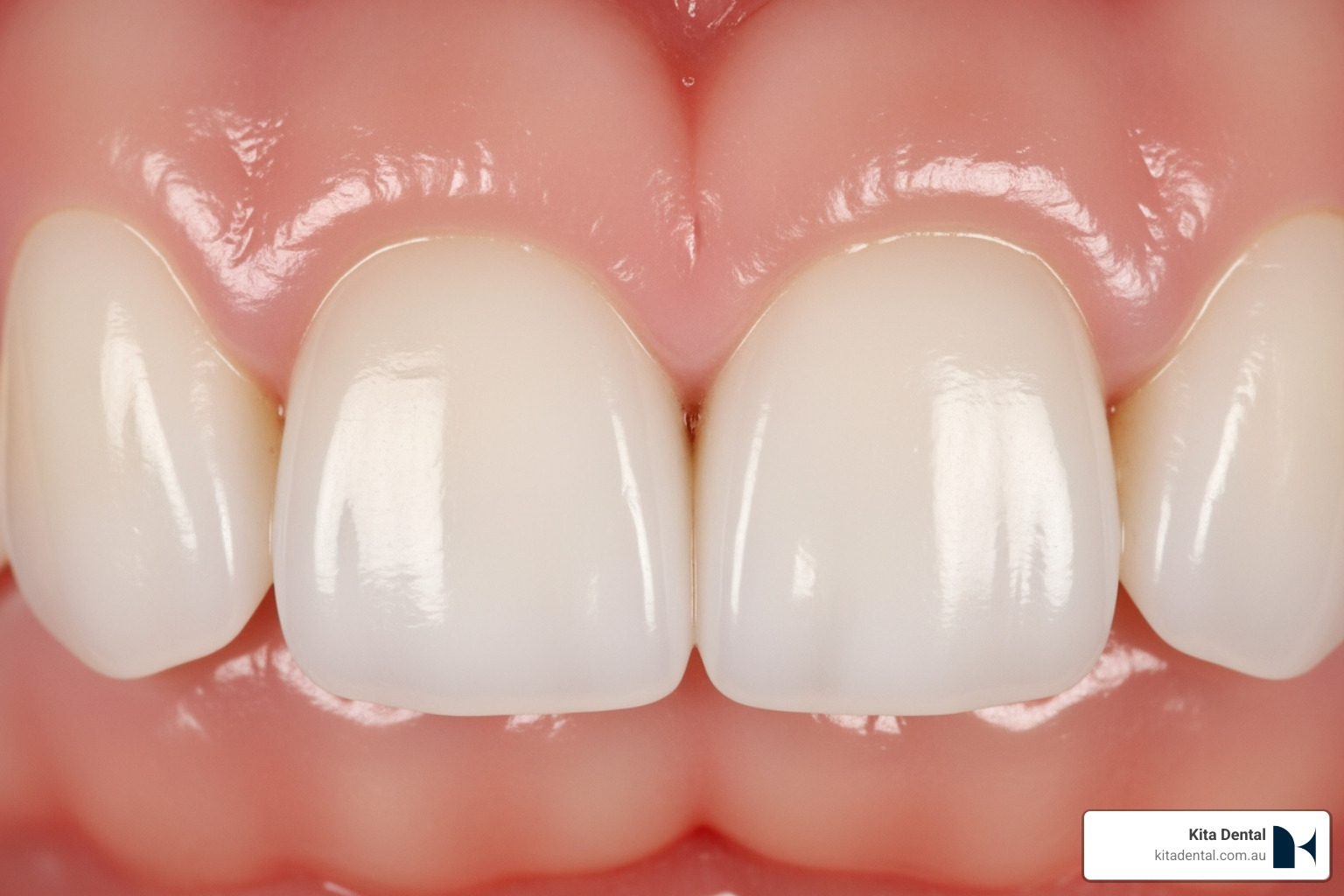
These before and after images show the remarkable change possible with gingival grafting, creating a natural-looking gum line that blends seamlessly.
What Are the Different Types of Gum Grafts?
We offer several proven grafting techniques, chosen based on your specific needs.
-
The connective tissue graft is the gold standard for root coverage. We take a small piece of tissue from beneath your palate’s surface and place it at the recession site, where it integrates beautifully with existing gums.
-
A free gingival graft uses tissue directly from the palate surface to create a tougher band of protective gum tissue, ideal for strengthening thin or vulnerable areas.
-
A pedicle graft involves sliding healthy gum tissue from an adjacent area to cover the exposed root. It keeps the blood supply intact for faster healing but is only possible when there’s enough healthy neighbouring tissue.
-
Allograft material is processed donor tissue that acts as a scaffold for your body to grow new gum tissue. It’s an excellent alternative that avoids a second surgical site in your mouth.
The Grafting Procedure: How Gingiva Grafting Can Fix Them
We prioritise your comfort throughout the procedure. We begin by numbing the area with local anaesthesia. Once you’re comfortable, we prepare the recipient site by creating a small pocket for the graft and cleaning the exposed root surface.
If using your own tissue, a small piece is precisely harvested from your palate. If using an allograft, this step is skipped. The graft is then positioned over the exposed root and secured with fine sutures. This allows new blood vessels to integrate the graft, restoring your gum line and protecting the root. Within a few months, the grafted tissue integrates completely, creating a thicker, healthier barrier.
Using Digital Imaging for Precision in Gingival Recession and Grafting: Gingival Recession Caused by Orthodontic Treatment
Technology has revolutionised how we approach gingival grafting. At our clinic, we use cutting-edge digital imaging for surgical precision.
Our advanced intraoral scanners create detailed 3D digital models of your teeth and gums, replacing messy traditional impressions. These models allow us to measure recession and tissue thickness with incredible accuracy.
This digital approach improves treatment planning, allowing us to simulate results and achieve more predictable, aesthetic outcomes. It also lets us objectively quantify success by comparing pre- and post-operative scans, as supported by scientific research on digital quantification of soft tissue changes. This provides concrete proof of your restored gum line and our commitment to the highest standard of care.
What to Expect: Recovery, Risks, and Long-Term Success
Understanding the process after your gingival recession and grafting: gingival recession caused by orthodontic treatment and how gingiva grafting can fix them procedure helps you feel prepared. Gum grafting is a routine and highly successful treatment with excellent results.
The Gum Grafting Recovery Process
The journey to your restored gum line begins when you leave our clinic.
Immediate post-operative care focuses on comfort. Mild discomfort and swelling are normal and can be managed with over-the-counter medication. We’ll provide an antibacterial mouthwash to keep the area clean without brushing.
Your first week diet is important for healing. Soft, cool foods like soups, yogurt, and smoothies are required to protect the graft. We’ll provide a comprehensive guide.
Oral hygiene instructions will show you how to maintain cleanliness while being gentle around the graft. You’ll continue to care for the rest of your mouth normally.
Follow-up appointments are scheduled to monitor your healing. Most patients return to their normal routine within a day or two. Full healing is a gradual process over several weeks, and we’ll guide you on when to return to regular brushing and foods.
Success Rates and Potential Risks
Gum grafting procedures achieve success rates of over 95%, meaning most patients enjoy a stable, healthy gum line for years.
Like any surgical treatment, there are some potential risks, though they are rare and manageable. Infection is uncommon and managed with antibiotics. Swelling and minor bleeding are normal parts of healing and typically resolve in a few days. Post-operative sensitivity may occur temporarily but usually fades as the new tissue provides protection. In rare cases, graft failure can occur, often related to factors like smoking or inadequate post-surgical care, which we will discuss with you thoroughly.
Long-Term Benefits of Gum Grafting
The rewards of addressing your gingival recession are significant and long-lasting.
-
Improved aesthetics provide an immediate change, replacing an uneven gum line with a harmonious, natural-looking smile.
-
Reduced tooth sensitivity brings welcome relief from the sharp sensations caused by hot, cold, or sweet foods.
-
Improved periodontal health creates a stronger foundation. The thicker gum tissue acts as a robust barrier against bacteria, reducing your risk of future recession and decay.
-
Protecting your orthodontic investment is a key benefit. Grafting safeguards your beautifully aligned teeth by maintaining the health of their supporting tissues, ensuring your smile remains healthy for decades.
Frequently Asked Questions about Gum Grafting After Braces
We know you have questions about gingival recession and grafting: gingival recession caused by orthodontic treatment and how gingiva grafting can fix them. Here are the most common ones we hear at our clinic:
Is gum grafting painful?
Your comfort is our absolute priority. During the procedure, local anaesthesia ensures you feel no pain at all. Afterwards, discomfort is typically mild—often described as similar to a pizza burn on the roof of your mouth if tissue was taken from the donor site. This is easily managed with over-the-counter pain relievers and usually subsides within a few days. We provide detailed pain management instructions to keep you comfortable.
When is the best time to get a gum graft? Before, during, or after orthodontics?
The treatment timing depends on your unique situation. Pre-orthodontic grafting might be recommended if you have thin gums, creating a healthier foundation before your orthodontic journey begins. More commonly, we perform post-orthodontic grafting once your teeth are in their final tooth position. This allows us to see the full extent of any recession and address it precisely. A systematic review on timing of soft tissue augmentation highlights the importance of this decision. We coordinate with orthodontists to determine the ideal timing for your care.
Will my gums recede again after the graft?
Gum grafts have excellent long-term stability, but preventing future recession requires addressing the root cause. We will help you perfect a proper brushing technique, using a soft-bristled brush with gentle motions. Regular dental check-ups at our clinic are also crucial for monitoring your gum health and managing any contributing factors like teeth grinding. With proper care and maintenance, your new, thicker gum tissue provides a robust barrier against future recession, protecting your smile for many years.
Restore Your Smile in Mascot, Sydney
The journey from receding gums to a restored, confident smile is completely achievable. Gingival recession and grafting: Gingival recession caused by orthodontic treatment and how gingiva grafting can fix them is a treatable condition, and at our clinic in Mascot, Sydney, we’ve helped countless patients reclaim their oral health.
Living with receding gums can mean sensitivity, self-consciousness, and worry about your teeth’s long-term health. These concerns are valid and solvable. Modern gingival grafting techniques offer remarkable results, with success rates exceeding 95%, dramatically improving both the appearance and health of your gums.
At our clinic, our friendly, transformative approach puts your comfort first. Our boutique clinic in Mascot combines advanced techniques with genuine care. Our team’s expertise in gum grafting and oral surgery, combined with our commitment to digital precision, ensures you receive cutting-edge, compassionate treatment.
Your investment in orthodontic treatment deserves protection, and your smile deserves to look and feel its absolute best. We take the time to explain every step and create a plan that fits your needs.
Ready to explore how gingival grafting can restore your smile? We’re here to help you take that next step with confidence.