
What is a Gingival Graft and Why is it Performed?
A gingival graft is a surgical procedure where tissue is placed over exposed tooth roots to treat gum recession and protect your teeth from further damage.
Quick Answer:
- What it is: Surgical placement of tissue to cover exposed tooth roots
- Why it’s needed: Gum recession exposes roots, causing sensitivity and decay risk
- Success rate: Over 90% success rate when performed properly
- Recovery time: 1-2 weeks for initial healing, 6 weeks for complete recovery
- Types: Connective tissue graft, free gingival graft, or pedicle graft
When your gums pull away from your teeth, it exposes the yellow root surface underneath. This happens to 4-12% of adults and can make your teeth look longer than normal.
The exposed roots cause several problems:
- Sharp sensitivity to hot and cold foods
- Higher risk of tooth decay on the root surface
- Continued gum recession and bone loss
- An uneven, aged-looking smile
Gum recession can occur due to periodontal disease, aggressive brushing, genetics, or trauma. Left untreated, it can lead to tooth loss.
A gingival graft stops this process by covering the exposed roots with healthy tissue. The procedure protects your teeth, reduces sensitivity, and restores your natural gum line.
Our team at Kita Dental has performed numerous gingival graft procedures. Our specialized training in implantology and gum grafting allows us to provide comprehensive treatment for complex cases, especially those requiring both gum restoration and implant placement.
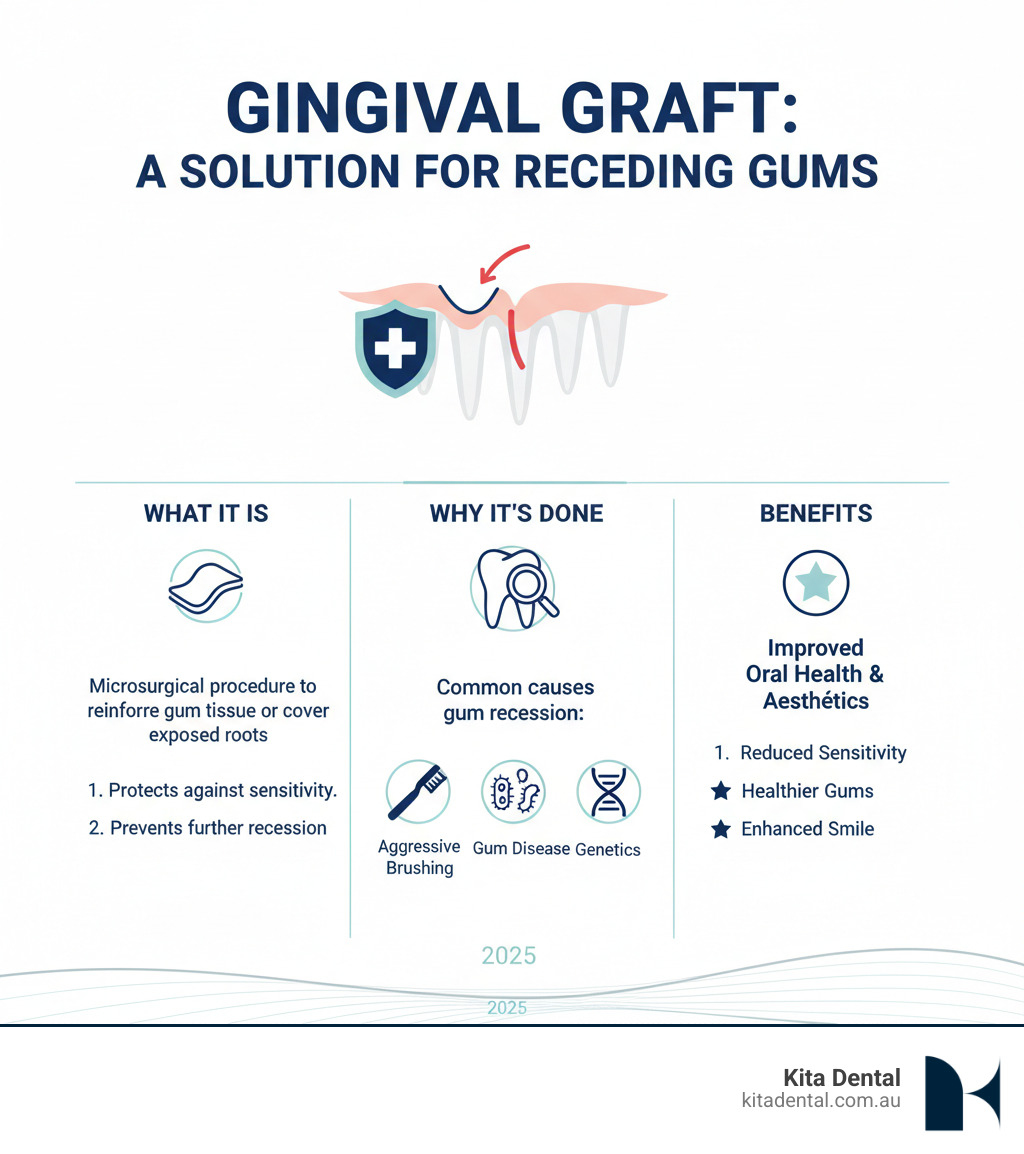
The Main Reasons for a Gum Graft
We recommend a gingival graft for several key reasons related to your long-term oral health and comfort:
- Protecting exposed roots: Gum recession exposes the softer root surfaces of your teeth, making them vulnerable to decay. A gingival graft provides a protective layer, shielding these sensitive areas.
- Reducing tooth sensitivity: Exposed roots often lead to significant sensitivity to hot and cold. By covering these areas, a graft can dramatically reduce or eliminate this discomfort.
- Halting gum disease progression: By restoring healthy gum tissue, we help create a stronger barrier against bacteria, slowing or stopping further disease progression and bone loss.
- Improving smile aesthetics: An uneven gum line or “long teeth” due to recession can make you feel self-conscious. A gingival graft can restore a more balanced and natural-looking gum line, enhancing your smile as part of a cosmetic dentistry smile makeover.
- Creating a stable base for dental implants: Adequate gum tissue is crucial for the long-term health and stability of dental implants. A gingival graft can augment the gum tissue around an implant site, ensuring a healthy foundation.
- Preventing future recession: In areas with thin gum tissue, a graft can help thicken the gums, making them more resilient to trauma and preventing further recession.
Signs You Might Need a Gum Graft
Gum recession is often gradual, but there are common signs to watch for. If you notice any of the following, it may be time to discuss a gingival graft with your dentist:
- Teeth appearing longer: As gums recede, more of the tooth structure becomes visible, making the tooth appear elongated.
- Visible yellow root surface: The crown of your tooth is covered by white enamel, while the root is a softer, yellowish material. If you see yellow near the gum line, your roots are exposed.
- Notches felt near the gum line: You might feel a small indentation where the gum has pulled away from the tooth. This area is particularly vulnerable to decay.
- Sensitivity to hot or cold: This is a classic symptom of exposed roots, as temperature changes can reach the tooth’s nerve.
- Bleeding or sore gums: While often a sign of gum disease, if your gums are also receding, it indicates a need for assessment.
- Gaps appearing between teeth: As gums recede, the spaces between your teeth near the gum line might become more noticeable.
If you’re experiencing any of these symptoms in Mascot or wider Sydney, we encourage you to come in for a comprehensive assessment. Early detection and treatment can make a significant difference.
Understanding the Gingival Graft Procedure
Understanding the gingival graft procedure can help put patients at ease. It’s a well-established, routine treatment we perform regularly at our Mascot clinic.
A gingival graft is typically performed by a dentist with specialised training, like a periodontist. Our Kita Dental team has advanced training in periodontics and implantology, which is crucial when grafting is needed for dental implants or full arch treatments.
Your comfort is our top priority. The procedure is performed under local anaesthesia to completely numb the area. For anxious patients, we offer sedation options, from oral sedatives to IV sedation, to ensure you are relaxed.
Before the graft, we conduct a thorough examination, measuring the recession and assessing your gum tissue. A deep cleaning (scaling and root planing) is performed to ensure the area is free of plaque and tartar, which is crucial for successful healing.
A single gingival graft procedure usually takes about an hour, while multiple grafts may take longer. We’ll provide a precise time estimate during your consultation so you know what to expect.
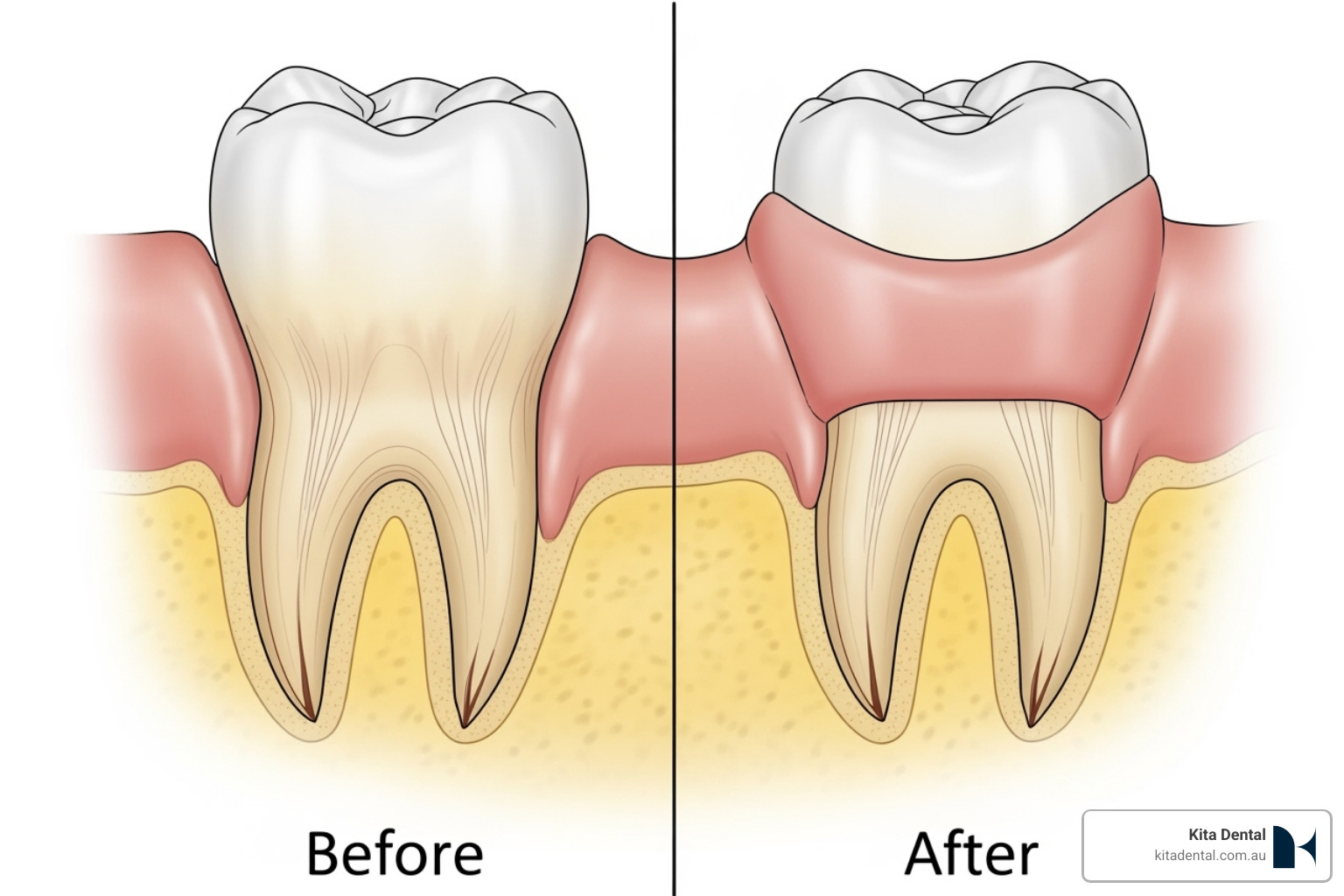
Different Types of Gingival Graft Procedures
We have several different techniques available, and the choice depends on your specific needs. During your consultation, we’ll discuss which option is best for you.
The connective-tissue graft is the most common type, used to cover exposed roots and strengthen gums, especially where aesthetics are important. We take tissue from under a flap on your palate and often use a “tunneling technique” with small incisions for better comfort and success. It’s our preferred method for enhancing soft tissue around full arch implants.
Recommended for very thin gums, a free gingival graft increases the amount of strong, attached gum tissue to prevent further recession. We take tissue directly from your palate to create a robust barrier, which is highly effective in areas with minimal existing gum.
For isolated recession, a pedicle graft uses healthy gum tissue adjacent to the affected area. The tissue is partially detached and moved over to cover the exposed root, retaining its original blood supply for predictable healing. It’s a great option for isolated recession and can be used to support full arch implant sites.
Finally, Acellular Dermal Matrix (ADM) allografts use medically processed, donated human tissue, eliminating the need for a second surgical site on your palate. ADM acts as a scaffold for your own tissue to grow into, making it a great alternative for covering roots and strengthening gums, especially when treating multiple areas or augmenting tissue for full arch implants.
Graft Materials: From Your Own Tissue to Alternatives
The success of your gingival graft depends on the type of tissue we use. We primarily use materials that offer excellent integration and predictable, long-lasting results.
Autografts, using your own tissue from the palate (roof of your mouth), are the traditional “gold standard.” Because the tissue is your own, the risk of rejection is virtually eliminated, leading to high success rates. The palate heals well, though it may cause temporary discomfort similar to a pizza burn.
As an alternative, Acellular Dermal Matrix (ADM) is a medically processed human donor tissue (allograft) that acts as a scaffold for your body to regenerate its own gum tissue. This option eliminates the need for a second surgical site on the palate, often resulting in a more comfortable recovery. ADM is an excellent choice for treating multiple areas or enhancing the soft tissue around full arch implants. Clinical studies support its high success rate in reducing gum recession, which aligns with our experience at our Sydney clinic.
In some cases, we might consider a xenograft from animal sources (like bovine or porcine collagen). Like allografts, these avoid a palatal donor site. However, we typically prefer autografts or allografts for their predictable and aesthetic results.
The choice of graft material is a collaborative decision. We’ll explain all available options and recommend the best strategy for your individual needs. The effectiveness of these procedures is well-supported by scientific research.
What to Expect: Recovery and Long-Term Care
Proper care after your gingival graft procedure is essential for successful healing. While recovery is generally straightforward, we provide detailed post-operative instructions custom to your procedure, whether it’s for a single tooth or preparation for dental implants.
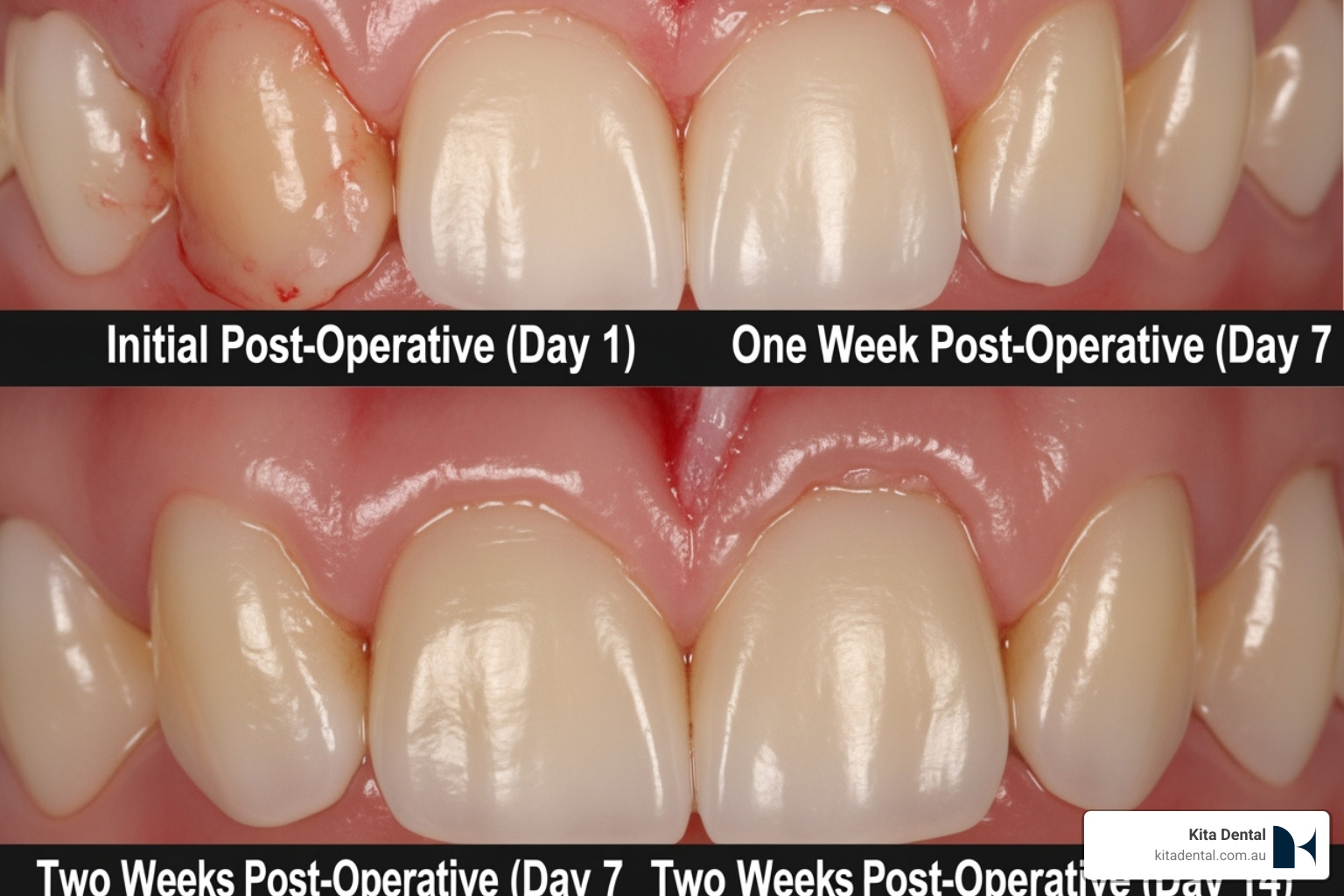
The Gum Graft Recovery Process
For the first 24-48 hours, you can expect some manageable discomfort, swelling, and minor bleeding. This is temporary and improves steadily. We will provide pain medication. Rest and apply ice packs to your face for 15-20 minutes at a time to minimise swelling.
During the first week, stick to a diet of soft, cool foods. Avoid anything hot, spicy, crunchy, or chewy that could irritate the surgical sites.
Your post-graft menu should include:
- Yogurt, smoothies, and cottage cheese
- Scrambled eggs and mashed potatoes
- Lukewarm soups
- Soft pasta and well-cooked vegetables
- Pudding, jelly, and ice cream
At your two-week follow-up, we’ll check your healing progress and remove any non-dissolvable sutures. By this time, discomfort and swelling should be significantly reduced. Suture removal is quick and painless; dissolvable sutures will disappear on their own.
You can return to light activities within a couple of days, but avoid strenuous exercise for at least the first week. We’ll advise when to resume normal brushing and flossing at the grafted area, which is usually after two weeks. Complete healing and full integration of the gum tissue typically takes around six weeks.
Potential Risks and Complications
While gingival graft procedures have a success rate over 90%, it’s important to be aware of potential risks so you know what to watch for.
- Infection: This is rare. We may prescribe antibiotics, and good hygiene is key. Signs include fever, increasing pain after day three, or unusual discharge.
- Bleeding: Minor bleeding is normal. Call us if you experience persistent heavy bleeding that doesn’t stop with gentle pressure.
- Graft failure: This is uncommon. Signs include the graft separating from the tooth, pus, or severe pain and swelling days after surgery. Contact us immediately if you notice these.
- Swelling and bruising: These are normal, peaking around day three and then improving. Use ice packs and anti-inflammatories to manage them.
- Partial coverage: Complete root coverage isn’t always achieved due to factors like smoking or individual healing. However, even partial coverage offers significant protection and reduces sensitivity.
- Nerve damage: This is extremely rare and usually results in temporary numbness or altered sensation.
Contact our Kita Dental team in Mascot immediately if you have any concerns during your recovery. We’re here to support your healing journey.
Maintaining Gum Health After Your Graft
Long-term success depends on your commitment to oral hygiene. This protects your investment and is crucial for the health of any future treatments, like full arch implants.
- Proper brushing technique: Use a soft-bristled toothbrush with gentle, circular motions. Harsh brushing is a common cause of recession.
- Daily flossing: This is critical for removing plaque from between teeth and under the gum line to prevent gum disease.
- Antiseptic mouthwash: This provides an extra layer of protection by reducing harmful bacteria.
- Regular dental check-ups: Professional cleanings and check-ups at our Mascot clinic allow us to monitor your graft and overall gum health.
- A healthy diet: Foods rich in vitamins C and D support tissue repair. Limiting sugar reduces your risk of decay and inflammation.
For comprehensive guidance on protecting your oral health long-term, explore our preventative dental care services.
Frequently Asked Questions about Gum Grafts
Here are answers to the most common questions we receive about gingival grafts at our Mascot clinic.
Does a gum graft procedure hurt?
This is a common and understandable concern.
- During the procedure: You won’t feel pain. We use local anaesthesia to completely numb the area. You may feel pressure, but no pain.
- After the procedure: You can expect manageable, mild-to-moderate discomfort as the anaesthesia wears off. We will provide pain medication, and over-the-counter anti-inflammatories are usually sufficient.
- Palate donor site: If tissue was taken from your palate, it may feel like a pizza burn for a few days. This is manageable with a protective covering and resolves within a week.
Most patients report that the discomfort was less than they anticipated. Your comfort is our priority.
How successful are gum grafts?
Gingival grafts have an excellent success rate. Over 90% of grafts are successful in covering roots, reducing sensitivity, and preventing further recession. This is supported by clinical research and our own experience at our Mascot practice.
Success depends on several factors:
- Surgeon experience: Our team has extensive training in these delicate procedures, including for patients requiring full arch implant treatments.
- Patient aftercare: Following post-operative instructions is vital for proper healing.
- Overall health: Non-smokers and healthy individuals tend to have better outcomes.
A successful graft provides long-lasting protection and can be part of a comprehensive cosmetic dentistry smile makeover for a healthy, balanced smile.
Is a gum graft covered by dental insurance?
Insurance coverage for gingival grafts varies among Australian health funds.
Most funds classify it as a major dental procedure. Coverage is often better when the graft is medically necessary (e.g., to prevent bone loss or protect roots) rather than purely cosmetic.
We strongly recommend you check with your health fund before your procedure to understand your policy’s waiting periods, annual limits, and coverage percentage.
Our administrative team at Kita Dental can provide you with the necessary item codes and documentation to help you with your claim.
We will provide a detailed treatment plan and cost estimate during your consultation so you can make an informed decision. Investing in your gum health now can prevent more costly issues later.
Your Smile’s Future in Sydney
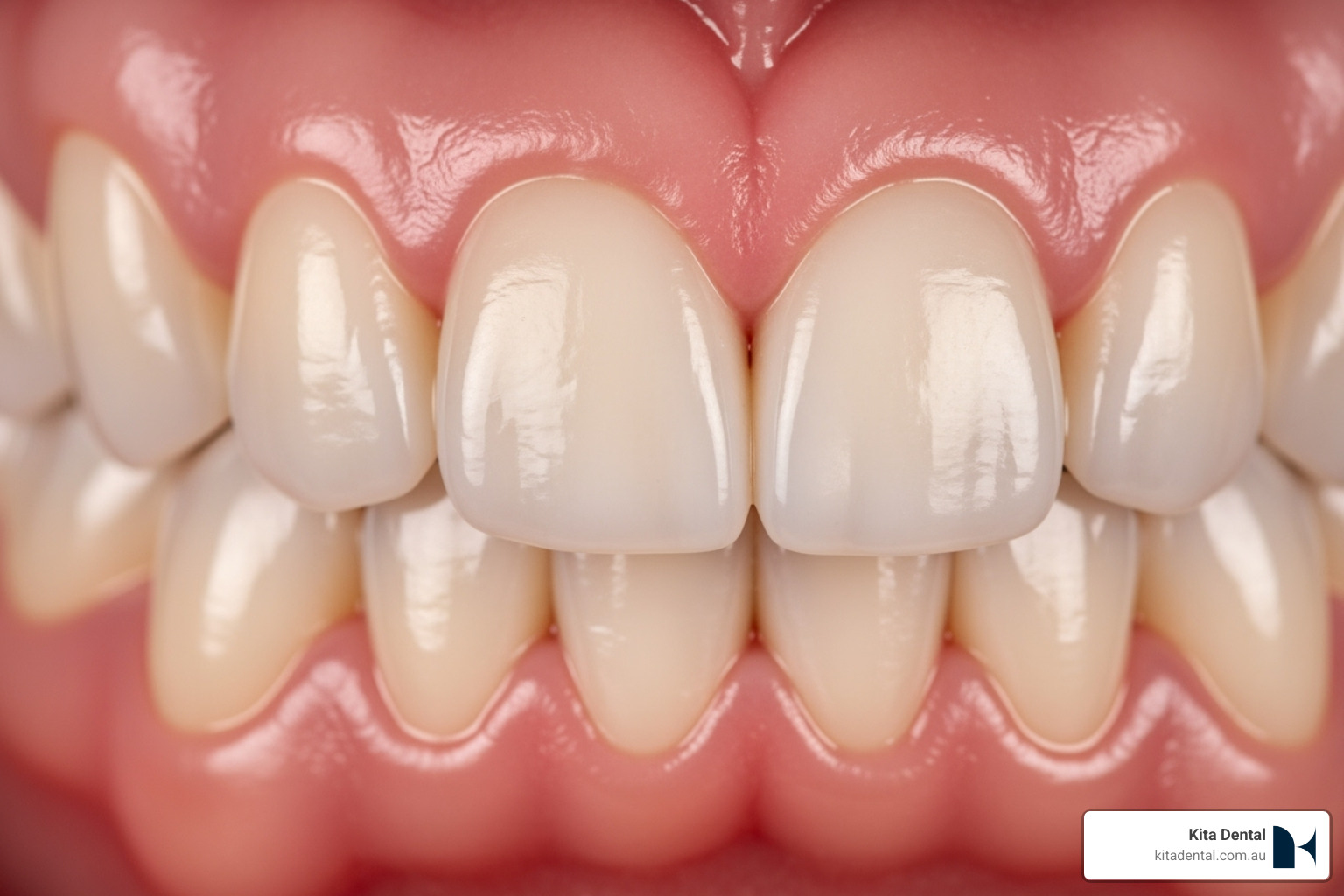
Restoring your gum health with a gingival graft can feel like a big decision, but the journey doesn’t have to be overwhelming. At Kita Dental in Mascot, we’ve helped many Sydney patients achieve healthier gums and more confident smiles.
We see the transformative effect on our patients’ confidence every day. Many find they can finally smile freely after treatment.
The benefits of addressing gum recession extend into every aspect of your daily life:
- Improved health and appearance: Feel confident smiling, laughing, and speaking again.
- Long-term tooth protection: Covering exposed roots helps preserve your natural teeth, which is vital for the success of future treatments like dental implants.
- Improved comfort: Enjoy hot and cold foods again without the sharp pain of tooth sensitivity.
For patients with or planning for full arch implants, a gingival graft provides the stable, healthy gum foundation needed for long-term success and aesthetics.
Our experienced team at Kita Dental serves the Mascot and wider Sydney community. We take the time to understand your unique needs and create a personalised treatment plan during your consultation. Whether you’re dealing with sensitivity, cosmetic concerns, or preparing for other dental work, our gentle approach and comfortable clinic make the process manageable.
Ready to take the next step toward healthier gums? We’d love to meet with you for a consultation to discuss how a gingival graft might fit into your overall dental health plan. You can learn more about our comprehensive approach to dental restoration through our restorative dentistry services.
At Kita Dental, we’re committed to providing exceptional dental care in a comfortable, modern environment. Our team combines advanced techniques with a patient-focused approach to ensure the best possible outcomes for your oral health.