Skip to content
Your Guide to Gum Graft Recovery in Mascot, Sydney
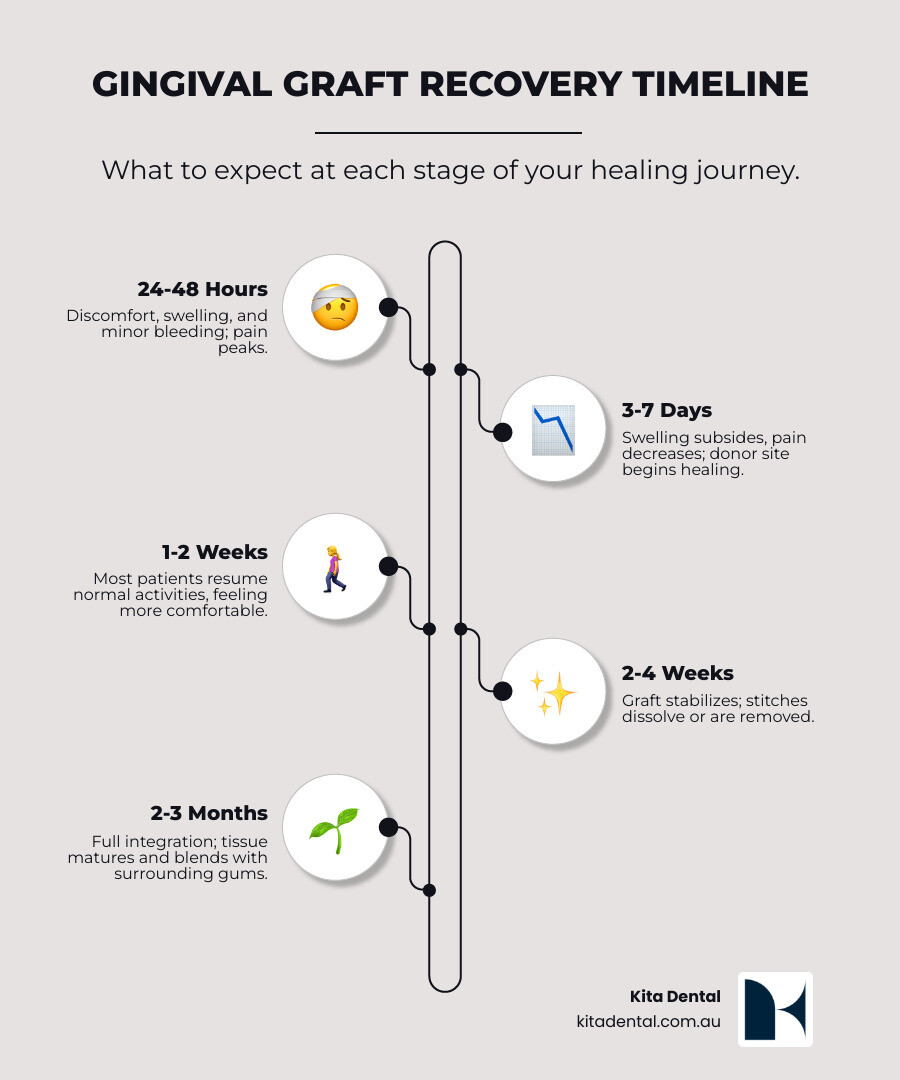
Gingival graft recovery time typically ranges from 1-2 weeks for initial healing, with full tissue integration taking 2-3 months. Here’s a quick look at the timeline:
Quick Recovery Timeline:
- 24-48 hours: Discomfort, swelling, and minor bleeding; pain peaks.
- 3-7 days: Swelling subsides, pain decreases, donor site begins healing.
- 1-2 weeks: Most patients feel comfortable enough to resume normal activities.
- 2-4 weeks: Graft stabilises, stitches dissolve or are removed.
- 2-3 months: Full integration, tissue matures and blends with surrounding gums.
Knowing what to expect during your recovery can make all the difference. Whether you’re addressing gum recession from periodontal disease or aggressive brushing, this healing roadmap helps you steer the process with confidence.
Most patients find the recovery easier than anticipated. The surgical area is tender for a few days, and many return to work within 24-48 hours. While the donor site (often your palate) may feel like a pizza burn, this discomfort is manageable and temporary.
Your recovery timeline depends on the type of graft, your overall health, and how well you follow post-operative instructions. Success rates for gingival grafting exceed 90%, making it a highly predictable procedure.
I’m Dr. Kent Boon, Principal Dentist at Kita Dental in Sydney. With a Master of Science in Implantology and extensive post-graduate training in gum grafting, I’ve guided countless patients through their gingival graft recovery time. Throughout this guide, I’ll share practical insights to help you manage your recovery with confidence.
Gingival graft recovery time terms made easy:
- Gingival recession and grafting: Gingival recession caused by orthodontic treatment and how gingiva grafting can fix them. I have pre-op and post-op pictures
- gingival graft
- gingival graft procedure
Your Healing Timeline: What to Expect Week by Week
Your recovery journey is unique, but understanding the typical stages helps you know what’s normal. Most patients find the process more manageable than they anticipated. Let’s walk through what you can expect during your gingival graft recovery time here in Mascot.
The First 24-48 Hours: The Critical Initial Phase
The first two days set the foundation for healing. Expect some discomfort, swelling, and minor bleeding—all normal. At Kita Dental, we provide detailed aftercare instructions and pain relief to keep you comfortable.
If bleeding occurs, gently apply pressure with gauze on either side of the graft, not directly on it. A damp tea bag placed near the site can also help, as its tannic acid content aids clotting.
Swelling usually peaks around day three. To minimise it, apply an ice pack to your cheek for 15 minutes on, 15 minutes off. Propping your head up with extra pillows when resting also reduces bleeding and inflammation.
Pain is most noticeable during these first two days. We’ll ensure you have the right medication, whether it’s over-the-counter relief or a prescription. Most patients only need stronger medication for a day or two.
Your diet should consist of cool, soft foods like yogurt, smoothies, and mashed potatoes. Avoid hot or crunchy foods that can irritate the site. Skip strenuous exercise for at least 24 hours. Most people return to work within a day or two, but listen to your body and rest as needed. This careful start supports your comprehensive gum graft surgery recovery.
The First Week: Stabilisation and Early Healing
As you move through the first week, you’ll notice steady improvement. Discomfort subsides after day two or three, though some tenderness will linger. Swelling peaks around day three or four before decreasing.
If tissue was taken from your palate (the donor site), you might feel a temporary “pizza burn” sensation, which typically resolves within one to two weeks.

Oral hygiene is a delicate balance. Do not brush or floss the graft area. However, keeping the rest of your mouth clean is crucial. We’ll prescribe an antimicrobial mouthwash to control plaque without disturbing the healing tissue. Gentle rinsing as directed is key.
Continue with soft foods like scrambled eggs, soups, and well-cooked vegetables. Avoid anything hard, crunchy, spicy, or very hot. Hydration and rest remain vital. You can likely return to light activities, but avoid strenuous exercise that could increase blood flow and cause bleeding. By the end of the week, you’ll see clear signs of progress.
Weeks 2-4: The Transition to Normal
Between weeks two and four, you’ll feel a significant shift toward normalcy. Swelling and discomfort should be gone, and the graft will show clear signs of healing. We’ll remove any non-dissolvable stitches during this period; dissolvable ones will disappear on their own.
Don’t be alarmed if the graft appears white or yellowish initially—this is a sign of healthy healing. The tissue will gradually blend with your surrounding gums. Sensitivity to temperature or hard foods will decrease, though some may linger for several weeks.
You can gradually expand your diet to include soft solid foods like pasta, fish, and cooked vegetables, chewing on the opposite side of your mouth. Wait for our all-clear before eating crunchy or spicy foods.
Most patients resume normal activities by week three, but brushing and flossing still require care. We’ll guide you on when to start very gentle brushing near the graft with a soft-bristled toothbrush to maintain cleanliness without traumatising the tissue. This careful approach is central to your gingival graft procedure.
The First Few Months: Full Integration and Long-Term Healing
While the intensive recovery happens in the first month, complete integration takes up to three months. During this time, the grafted tissue matures, strengthens, and fully blends with your existing gums, reaching its final colour and texture.
This integration is essential for long-term success, as the new tissue establishes a robust blood supply and becomes a permanent part of your gum line. By the end of this phase, you can resume your normal diet and activities without worry.
Internal strengthening continues for several months, ensuring the graft is durable and provides lasting protection against future gum recession. Good oral hygiene and regular check-ups at Kita Dental in Mascot are crucial for monitoring your graft’s long-term health. This is especially important if your recession was related to factors like orthodontic treatment, as the graft provides a stable foundation for your oral health. We are committed to the lasting success of your graft, addressing concerns like gingival recession and grafting related to orthodontic treatment.
Essential Post-Operative Care for a Smooth Recovery
Your actions in the days and weeks after your gum graft are critical. Following these guidelines protects your new graft, prevents complications, and ensures the best outcome. Your commitment to post-operative care directly impacts your gingival graft recovery time.
Diet and Nutrition: Foods to Eat and Avoid
What you eat affects both comfort and healing. For the first week, your diet will need to be modified to protect the delicate surgical site.
Stick to cool, soft foods that require minimal chewing. Good choices include yogurt, smoothies, ice cream, mashed potatoes, and scrambled eggs. Lukewarm blended soups provide nutrition and hydration without irritation. Focus on foods rich in vitamins A and C (like carrots and leafy greens, cooked until tender or blended) to support tissue repair. Stay well-hydrated with water.
For the first week or two, you must avoid certain foods:
- Hard or crunchy foods: Nuts, chips, raw vegetables, and crusty bread can dislodge the graft.
- Spicy or hot foods: These can irritate the sensitive tissue and increase bleeding.
- Sticky foods: Caramel or chewy sweets can pull on the graft or stitches.
- Alcohol: It can interfere with healing and medications.
Crucially, do not use a straw. The suction can dislodge the blood clot or the graft itself. By week two, you can slowly reintroduce soft solids like pasta and fish, chewing on the opposite side of your mouth.
Oral Hygiene After Your Graft
Keeping your mouth clean without disturbing the graft requires a strategic, gentle approach.
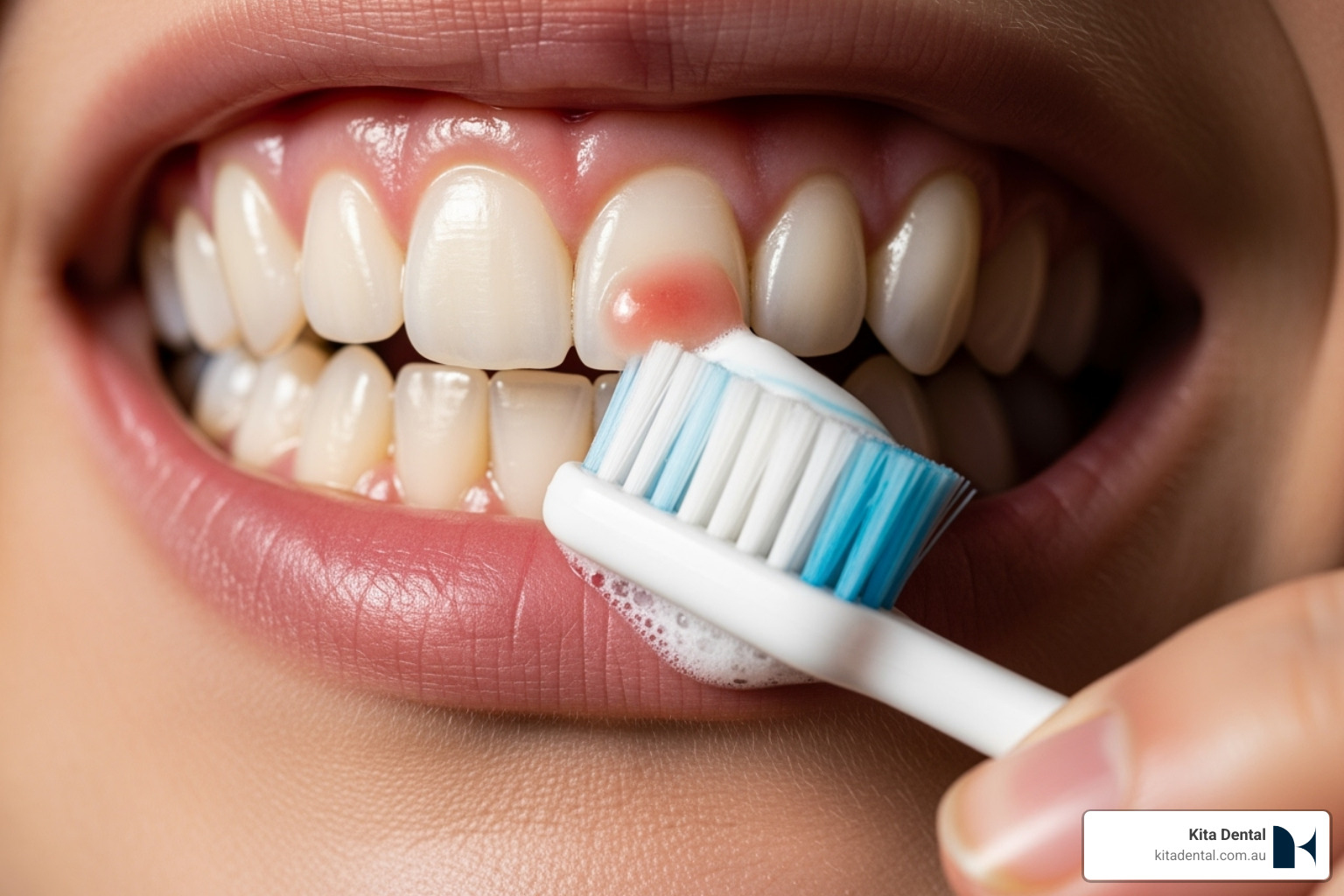
The golden rule is: do not brush or floss directly on the gum graft site until we give you the all-clear. This is non-negotiable, as even gentle brushing can disrupt healing.
However, you must keep the rest of your mouth clean. Brush and floss your other teeth normally, being careful to avoid the surgical area. We will prescribe an antimicrobial mouthwash to keep the graft site clean. Use it exactly as directed, rinsing gently rather than swishing vigorously. This prevents plaque buildup and creates a healthier environment for your graft to heal. We will provide specific instructions on when and how to reintroduce brushing near the site.
Managing Discomfort and Activity Levels
Some discomfort is a normal part of any surgical procedure, but it is manageable.
For most patients, over-the-counter pain relievers like paracetamol or ibuprofen are effective, especially after the first few days. We may prescribe stronger medication if needed. Follow the dosing instructions carefully to stay ahead of any pain.
Ice packs applied to your cheek (15 minutes on, 15 minutes off) are highly effective for reducing swelling and discomfort during the first 48 hours.
One of the most important instructions is to avoid strenuous exercise for at least a week. Activities that increase blood pressure can lead to bleeding and delayed healing. Light walking is fine, but save the gym, running, and heavy lifting for later.
In the first few days, try to limit excessive talking or facial movements to avoid stretching the healing tissues. Rest is therapeutic. Most people feel comfortable returning to work or school within one to two days, provided their job isn’t physically demanding. We’ll help you plan the best time to return to your routine.
If you are ever unsure about an activity or how to manage discomfort, don’t hesitate to reach out to our team at Kita Dental in Mascot. Your comfort and successful healing are our priorities.
Understanding the Factors and Risks in Your Gingival Graft Recovery Time
Several factors can affect how quickly you heal. Knowing them, along with the signs of potential issues, empowers you to take control of your recovery. We want you to feel confident and informed throughout your gingival graft recovery time.
Key Factors That Influence Your Gingival Graft Recovery Time
Your healing journey is unique, and several factors play a role in how smoothly your recovery progresses.
- Overall Health: Your general health forms the foundation for healing. Well-managed systemic conditions allow for predictable healing, while uncontrolled health issues can extend the timeline.
- Smoking and Tobacco Use: This is the single most significant controllable risk factor. Smoking restricts blood flow, reduces oxygen to healing tissues, and dramatically increases the risk of graft failure. Quitting, even temporarily, can make a huge difference. For support, national quit-smoking helplines can be invaluable.
- Alcohol Consumption: Alcohol can interfere with medications, cause dehydration, and hinder the healing process. It’s best to avoid it for the first few weeks of recovery.
- Type of Graft: The specific technique used (e.g., connective tissue graft, free gingival graft) can influence the healing timeline and discomfort level, particularly at the donor site.
- Adherence to Post-Operative Instructions: Following our guidelines on diet, hygiene, and activity is the most crucial factor within your control. Patients who heal fastest are those who take these instructions seriously.
- Diet and Oral Hygiene: A nutrient-rich diet provides the building blocks for tissue repair, while excellent oral hygiene in non-surgical areas reduces bacteria and promotes a healthy healing environment.
Recognising the Signs of Complications
While gum grafting has a success rate over 90%, it’s important to know the signs of potential complications so you can act quickly.
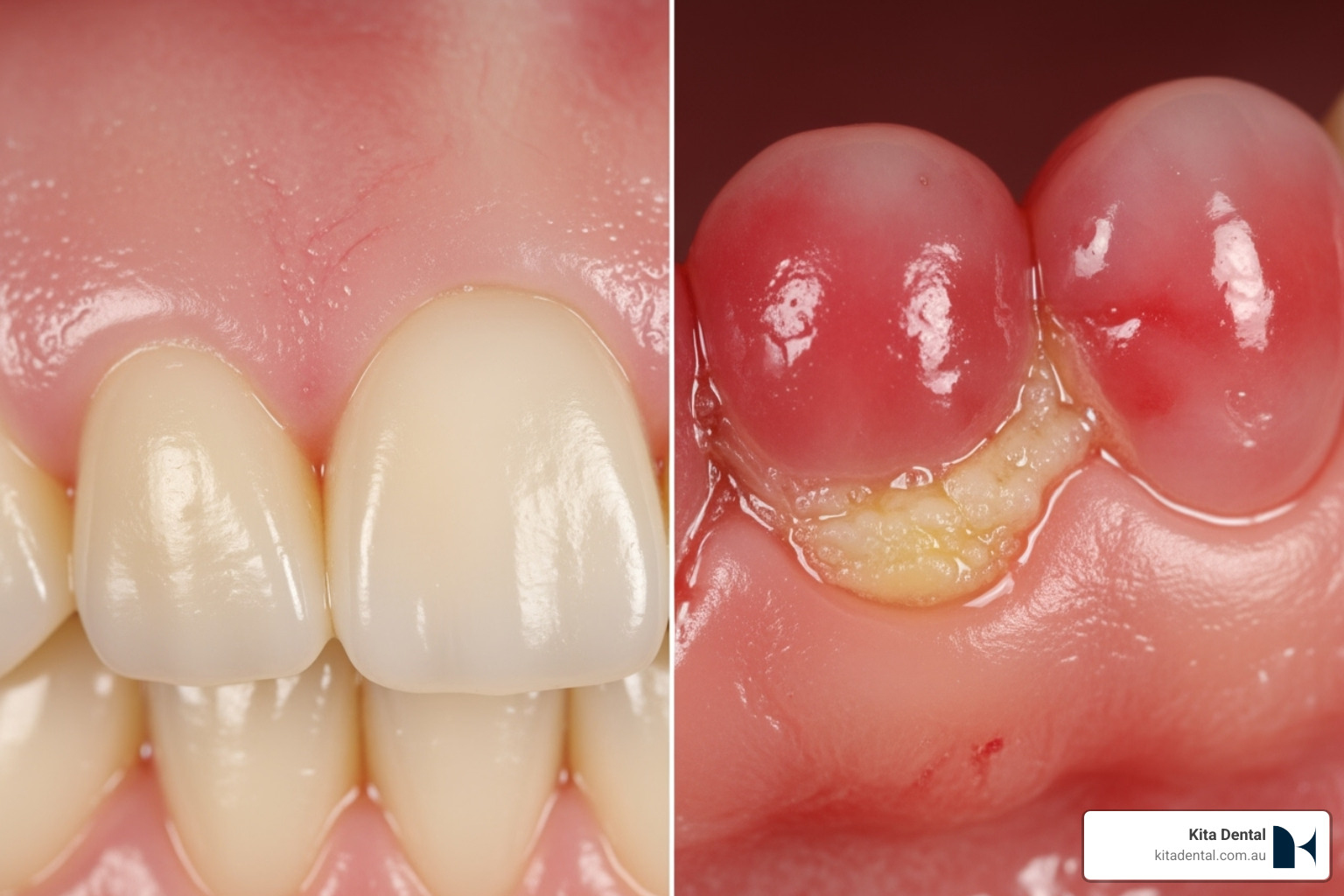
Watch for these warning signs:
- Infection: Pus or discharge from the site, a foul odour, worsening pain after the first few days, or a fever over 38.3°C.
- Excessive Bleeding: Heavy, continuous bleeding beyond the first 48 hours that doesn’t stop with gentle pressure.
- Severe Pain: Pain that isn’t controlled by your prescribed medication or worsens significantly after the initial healing period.
- Graft Failure: In rare cases, the graft may not integrate. You might see a large patch of tissue that has separated from the tooth, which looks different from the normal whitish appearance of early healing.
- Worsening Swelling: Swelling should peak around day three or four and then subside. If it gets worse after this point, it could signal a problem.
When to Contact Your Sydney Dentist
Your comfort and successful healing are our top priorities at Kita Dental. We would rather you call with a question than worry at home. We are just a phone call away during your gingival graft recovery time.
Reach out to us immediately if you experience any of the following:
- Uncontrolled bleeding that doesn’t stop with 20 minutes of gentle pressure.
- Worsening swelling after day four.
- Any signs of infection (pus, foul odour, fever, increasing pain).
- Concerns about the graft’s appearance (if it looks dislodged or is moving).
- Severe, persistent pain not managed by your medication.
- Signs of an allergic reaction to medication (rash, difficulty breathing).
Don’t hesitate to call our team with any questions. There’s no such thing as a silly question when it comes to your health. You can always Contact Us for advice or to schedule an urgent appointment.
Life After Your Graft: Long-Term Gum Health and Expectations
A successful gum graft is a significant step towards better oral health. Here’s how to maintain your results for years to come, ensuring the benefits of your gingival graft recovery time last a lifetime.
Maintaining Your New Gumline
Once your graft has fully integrated, the focus shifts to long-term maintenance to prevent future recession. This means addressing the original cause, whether it was aggressive brushing or periodontal disease.
- Proper Brushing: Use a soft-bristled toothbrush and gentle, circular motions. Think of it as massaging your gums, not scrubbing them. Our team at Kita Dental can demonstrate the correct technique to protect your new gumline.
- Correct Flossing: Continue to floss daily to remove plaque, being gentle near the grafted area but still thorough.
- Routine Check-ups: Regular dental visits are essential for long-term success. These appointments allow us to monitor your graft’s health, check for new issues, and provide professional cleanings. These visits are the cornerstone of Preventative Dental Care, protecting your investment. We typically recommend six-monthly check-ups.
By integrating these practices into your daily routine, you can maintain a healthy, stable gumline for years to come.
Long-Term Success and Aesthetics
The long-term outlook after a gum graft is overwhelmingly positive, with success rates exceeding 90%. The benefits extend far beyond simply covering exposed roots.
- Natural Appearance: Over the first few months, the graft blends seamlessly with your surrounding gums in colour and texture, creating a balanced, natural-looking smile.
- Reduced Sensitivity: By covering exposed roots, the graft reduces or eliminates the sharp pain from hot or cold foods and drinks.
- Protection Against Decay: Exposed roots are highly susceptible to cavities. The new gum tissue acts as a natural barrier, significantly reducing this risk.
- Improved Smile Symmetry: A gum graft can correct an uneven or “toothy” appearance by restoring a more balanced and harmonious gumline, boosting your confidence.
A successful gum graft provides a durable, long-lasting solution. The key to maintaining these results is a commitment to good oral hygiene and regular dental visits. These appointments allow us to monitor your graft and overall oral health, reinforcing why Regular Dental Visits: Why They Are So Important for Your Oral Health. At Kita Dental in Mascot, we’re here to support you in ensuring your graft serves you well for years to come.
Your Partner in Gum Health in Mascot
Your gingival graft recovery time is more than just a healing process—it’s a partnership between you and your dental team. When you follow your post-operative instructions carefully and maintain excellent oral hygiene, you’re setting yourself up for a healthier, more confident smile that lasts.
At Kita Dental, we understand that undergoing a gum graft can feel daunting. That’s why we’re committed to guiding our patients in Mascot through every step of their recovery journey, from that crucial first 24 hours to the final stages of tissue integration months later. We’re here to ensure your comfort and help you achieve optimal results, whether you’re addressing recession from orthodontic treatment, periodontal disease, or simply want to protect your smile for the long term.
Our approach goes beyond the surgical procedure itself. We believe in comprehensive care that transforms not just your gum health, but your entire smile. If your gum recession is part of a broader aesthetic concern, we can discuss how restorative dentistry options might complement your gingival graft, creating a harmonious, confident smile you’ll love showing off.
Your next steps
We pride ourselves on our friendly, transformative approach to dental care at Kita Dental. Our boutique clinic in Mascot is open seven days a week, making it convenient for you to access general, cosmetic, and emergency dentistry when you need it most. We’re dedicated to helping you achieve and maintain optimal oral health in a comfortable, welcoming environment.
If you’re experiencing gum recession or you’re considering a gum graft, we invite you to visit us. Our experienced team will take the time to assess your individual needs, answer all your questions, and develop a personalised treatment and recovery plan custom specifically for you. Every patient is unique, and your care should reflect that.
Your journey to healthier gums and a more confident smile begins with a conversation. Whether you’re dealing with recession from aggressive brushing, orthodontic treatment, or other factors, we’re here to help you understand your options and support you through your gingival graft recovery time and beyond.
Find more about our range of Services in restorative dentistry and how we can support your oral health goals. Ready to take the next step? Contact us today to schedule your consultation.
Clinically reviewed and approved for publication by Dr. Kent Boon (Principal Dentist, Kita Dental, Mascot, Sydney). Manual review completed.