Skip to content
Understanding the Bone Graft Dental Procedure
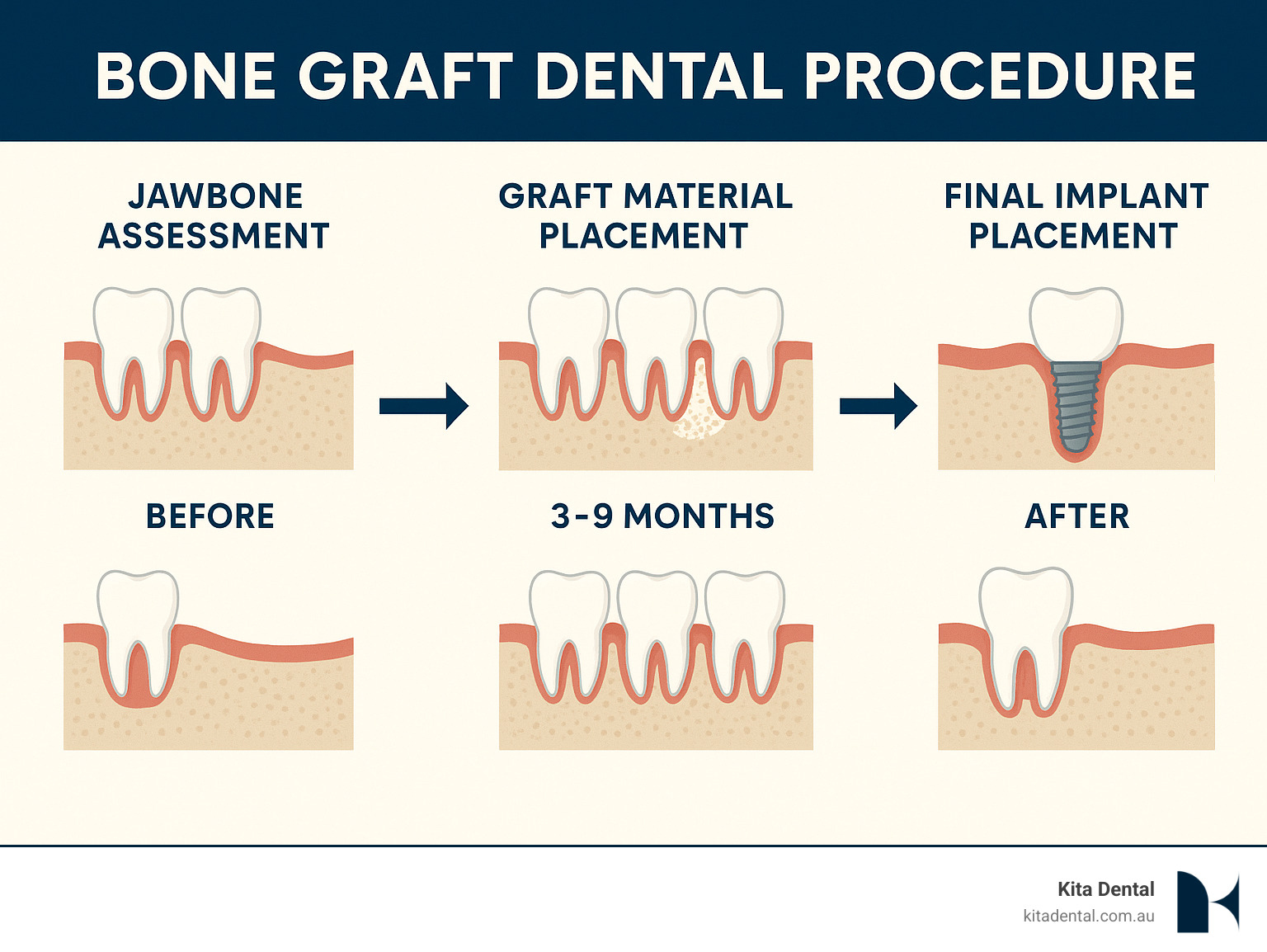
A bone graft dental procedure is a surgical treatment that rebuilds or strengthens your jawbone. This creates a solid foundation for dental implants, including full arch solutions, or other restorative treatments.
Quick Facts About Dental Bone Grafts:
- Purpose: To restore lost jawbone volume to support dental implants.
- Success Rate: Over 95% when performed by an experienced dentist.
- Healing Time: 3-9 months for the bone to fully integrate.
- Materials Used: Your own bone, donated bone, or synthetic materials.
- Recovery: Initial healing takes 1-2 weeks with manageable discomfort.
Think of your smile like a house—it needs a strong foundation. When you lose a tooth, the surrounding jawbone can shrink, a process called bone resorption. This can make it impossible to place dental implants successfully. A bone graft rebuilds this lost bone, creating the stable base your new teeth need.
Bone grafting is one of the most common and essential procedures in modern dentistry, with studies showing that more than half of all implant patients require it first. Whether you’re missing one tooth or considering full arch implants, understanding this procedure is key to making informed decisions about your smile.
As the Principal Dentist at Kita Dental in Mascot, Sydney, I have performed hundreds of bone graft dental procedures with excellent outcomes. My advanced training and Master of Science in Implantology have given me the expertise to create strong, lasting foundations for our patients’ dental implants and smile restorations.
Why a Strong Jawbone is the Foundation of Your Smile
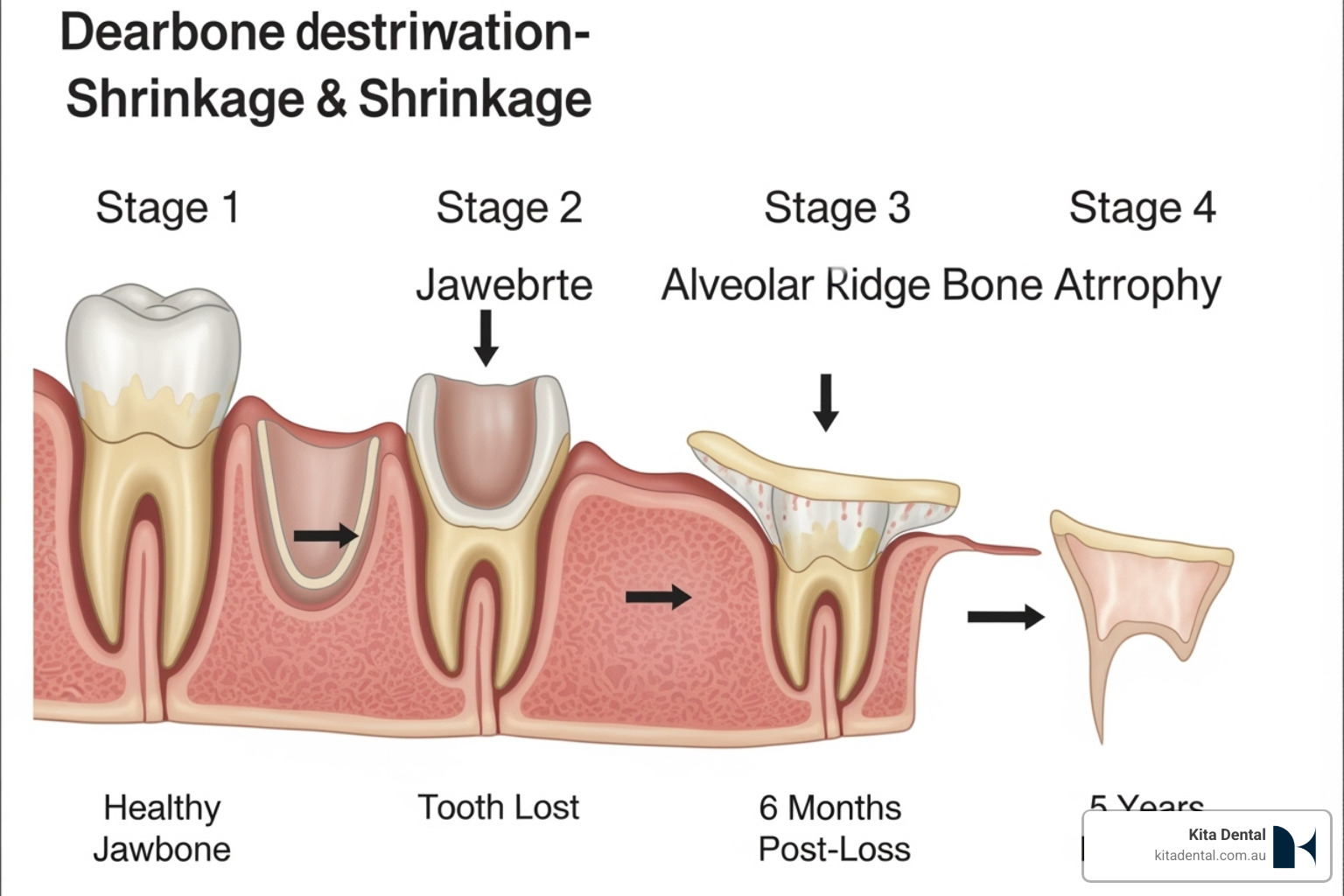
Your jawbone is living tissue that needs stimulation to stay strong, much like a muscle needs exercise. The part of your jaw that holds your teeth, the alveolar bone, gets this workout from daily chewing and biting.
When a tooth is lost, this stimulation disappears. Your body follows a “use it or lose it” principle and begins to resorb the bone in that area. This process, called bone resorption, causes the jaw to shrink and weaken.
Common Causes of Jawbone Loss
Several factors can lead to bone loss, making a bone graft dental procedure necessary:
- Missing Teeth: This is the most common cause. Without a tooth root, the underlying bone starts to deteriorate within months, which can cause nearby teeth to shift and lead to further problems.
- Periodontal (Gum) Disease: The bacteria that cause gum disease can destroy the bone that supports your teeth. This bone does not grow back on its own, even after the infection is treated.
- Trauma or Infection: Accidents, severe dental infections, or certain medical conditions can also damage the jawbone, leaving it too weak for dental implants.
Impact on Facial Structure
Jawbone loss doesn’t just affect your teeth; it changes your entire facial appearance. As the jaw shrinks, it can lead to a sunken look, thinner lips, and more wrinkles around the mouth, making you appear older.
Creating a Solid Foundation for Dental Implants
At Kita Dental in Mascot, we know that adequate bone is essential for successful dental implants. Implants need to fuse with the jawbone to provide stable, long-lasting support. Without enough bone, implants can fail. A bone graft dental procedure rebuilds this crucial foundation, paving the way for successful Restorative Dentistry and restoring the structure that supports your entire smile.
The Bone Graft Dental Procedure: A Step-by-Step Guide
At our Mascot clinic, a bone graft dental procedure is a carefully planned treatment to rebuild your smile’s foundation for dental implants.
Consultation and Planning
Your journey begins with a thorough consultation. We review your medical history and oral health goals. Using advanced 3D Cone Beam Computed Tomography (CBCT) scans, we create a detailed map of your jawbone. This allows us to see exactly where bone is needed and plan your procedure with surgical precision.
We prioritise your comfort. For most bone grafts, local anaesthesia is sufficient. However, we offer sedation options for anxious patients to ensure a stress-free experience, part of our Pain-Free Dental Implants approach.
The Surgical Process
Once you are comfortable, the procedure involves a few key steps:
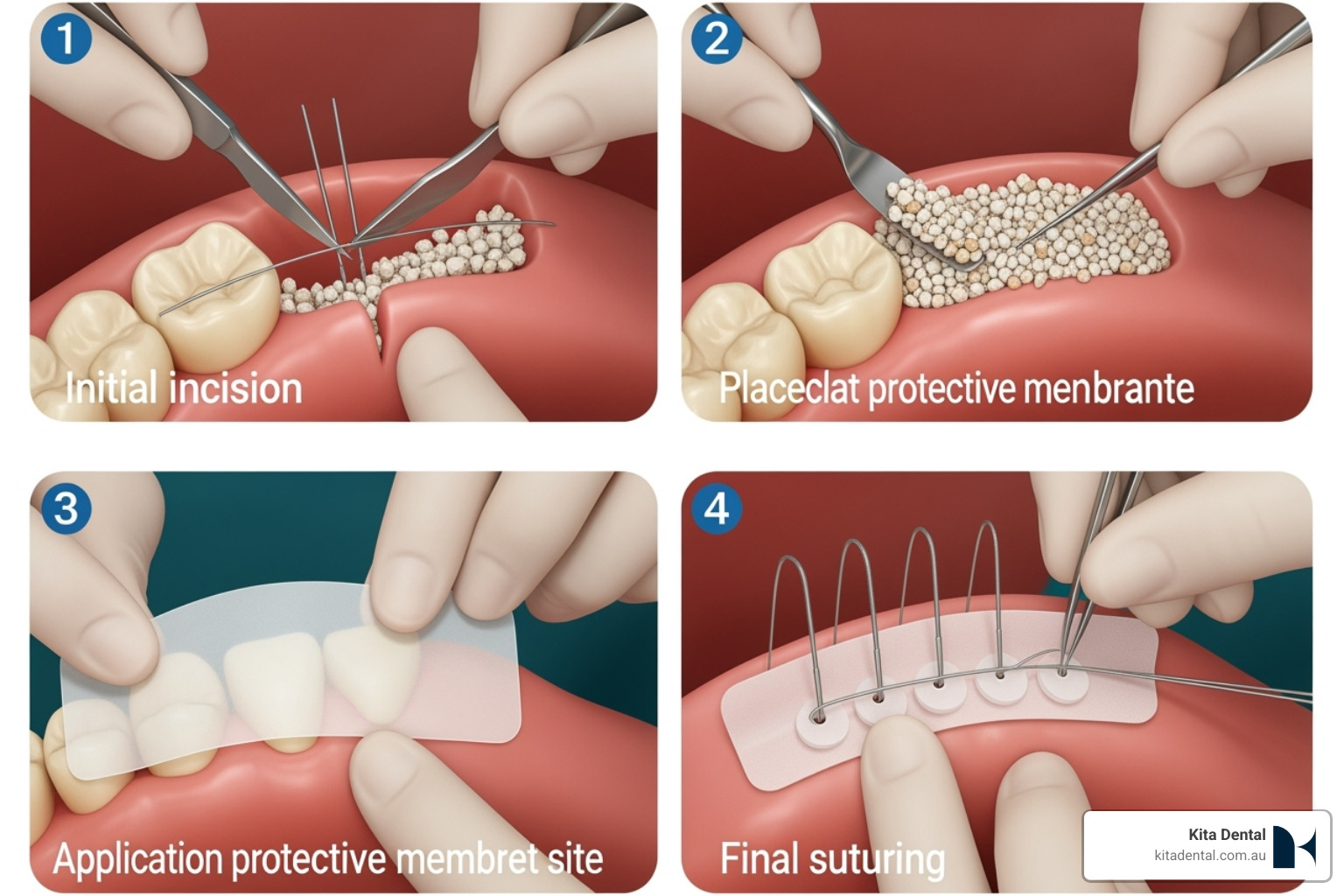
- Accessing the Bone: We make a small incision in the gum to expose the area of the jawbone needing the graft.
- Placing the Graft: The chosen bone graft material is carefully placed where the bone has been lost. This material acts as a scaffold, encouraging your body’s own bone cells to grow.
- Protecting the Site: Often, a special membrane is placed over the graft. This protects the material and prevents gum tissue from interfering with bone regeneration.
- Closing the Incision: The gum tissue is repositioned and secured with small stitches, which typically dissolve on their own.
The entire procedure usually takes one to two hours.
Types of Grafts for a Solid Foundation
We select the graft type based on your specific needs to prepare your jaw for successful Dental Implants in Mascot.
- Socket Preservation: Performed immediately after a tooth extraction to fill the empty socket, preserving its width and height for a future implant.
- Ridge Augmentation: Rebuilds the height and width of the jawbone ridge that has shrunken over time due to missing teeth.
- Sinus Lift: Adds bone to the upper jaw when the sinuses are too close to the jaw for implant placement.
- Periodontal Grafts: Used to regenerate bone that has been lost around existing teeth due to severe gum disease.
Materials Used in a Bone Graft Dental Procedure
The success of your graft depends on using the right material to create a scaffold for new bone growth.
| Bone Graft Material | Source | Advantages | Considerations |
|---|---|---|---|
| Autograft | Patient’s own body | Contains living cells for optimal healing; no rejection risk. | Requires a second surgical site. |
| Allograft | Human donor | Readily available; no second surgical site. | Slower integration than autograft. |
| Xenograft | Animal (e.g., cow) | Maintains structure well, giving bone time to grow. | Slower integration; not suitable for all patients. |
| Alloplast | Synthetic | No donor site; no disease transmission risk. | Contains no living cells; integration can be less predictable. |
During your consultation, we’ll discuss which material is best for your health, preferences, and treatment goals.
Your Recovery Journey: Healing After a Bone Graft
Understanding the recovery process after your bone graft dental procedure helps ensure a smooth and successful outcome. Healing occurs in two main phases.
Healing Timeline
- Initial Recovery (1-2 weeks): During this time, any swelling, bruising, and tenderness will gradually subside. Most patients can return to normal activities within a week.
- Full Bone Integration (3-9 months): This is when the real work happens. Your body’s bone cells grow into the graft material, creating a strong, solid foundation for your future dental implants.
Post-Operative Care and Comfort
Some discomfort, swelling, and bruising are normal after surgery. To manage this and promote healing:
Do:
- Apply ice packs for the first 24-48 hours to reduce swelling.
- Rest with your head liftd.
- Eat a soft food diet (soups, smoothies, yoghurt).
- Take prescribed medications as directed.
- Stay hydrated with plenty of water.
- Keep the area clean with gentle rinsing as instructed.
Don’t:
- Disturb the surgical site by touching or poking it.
- Smoke or vape, as this severely impairs healing.
- Drink alcohol for at least two weeks.
- Use straws or spit vigorously.
- Engage in strenuous activity for the first 48 hours.
It’s normal to notice a few tiny, sand-like bone graft particles in your mouth. However, if you experience significant pain, bleeding, signs of infection, or large amounts of graft material coming out, contact our Mascot clinic immediately.
The Importance of Follow-Up
Follow-up appointments are crucial for monitoring your healing. We’ll check the graft’s progress and determine when you’re ready for the next step in your treatment plan. This is a key part of our comprehensive General Dental Care and ensures the long-term success of your procedure.
Long-Term Success: Benefits and Longevity of Your Graft
A bone graft dental procedure is an investment in the long-term health and appearance of your smile. The results are designed to be permanent, providing a stable base for a lifetime.
Timely Implant Placement is Key
Once your graft has fully healed (typically in 3-9 months), it’s important to proceed with your dental implant. Placing a Bone Graft Dental Implant within the next 6-12 months is ideal. The implant provides the necessary stimulation to keep the new bone strong and healthy, following the “use it or lose it” principle.
At our Mascot clinic, we plan your entire treatment timeline with you from the start to ensure optimal, lasting results.
Key Benefits of a Dental Bone Graft
A bone graft does more than just prepare your jaw for an implant. It offers several key advantages:
- Enables Successful Implants: It creates the solid foundation needed for implants to fuse with the bone and function like natural teeth.
- Restores Facial Structure: By rebuilding the jawbone, a graft supports your facial muscles, preventing the sunken look that can result from bone loss and maintaining a youthful profile.
- Prevents Teeth from Shifting: It fills the gap left by a missing tooth, stopping adjacent teeth from drifting out of place and causing bite problems.
- Improves Overall Oral Health: A stable jawbone and properly aligned teeth make it easier to chew, speak, and maintain good oral hygiene.
These benefits contribute to a confident, healthy smile, reflecting our comprehensive approach to Cosmetic Dentistry at Kita Dental.
Answering Your Key Questions
It’s natural to have questions before a bone graft dental procedure. Here are answers to some common concerns we hear from our Mascot patients.
How do I prepare for my bone graft dental procedure?
Preparation is simple and ensures a smooth procedure. We will guide you through these key steps:
- Review Your Medical History: We need to know about any health conditions and all medications or supplements you take, especially blood thinners.
- Follow Pre-Surgery Instructions: This may include fasting if you are having sedation.
- Arrange Transport Home: If you have sedation, you will need someone to drive you home.
- Prepare Your Recovery Space: Stock up on soft foods, have ice packs ready, and prepare a comfortable place to rest.
Is the bone graft procedure painful?
No. During the procedure, you will be completely comfortable. We use effective local anaesthesia, and sedation options are available to eliminate any anxiety. Afterwards, you can expect some manageable post-operative discomfort, similar to soreness after a tooth extraction. This can be controlled with prescribed pain relief medication and typically improves within a few days.
How long does the actual bone graft surgery take?
The duration depends on the complexity of the graft. A simple socket preservation graft may take 30-60 minutes, while more extensive procedures like ridge augmentation can take one to two hours. We will give you a clear time estimate during your consultation. We take the necessary time to ensure the best possible outcome for your future dental implants.
Conclusion
The bone graft dental procedure is a safe, effective, and often essential step toward a healthy, long-lasting smile. It rebuilds the very foundation of your mouth, enabling successful dental implants, restoring facial structure, and giving you back the confidence to smile freely.
As we’ve explored, this routine procedure uses advanced technology and techniques to create a strong base for your future teeth. From the initial 3D scan to the final healing checks, the process is designed for comfort and predictable, successful outcomes.
At Kita Dental in Mascot, we have seen how bone grafting transforms our patients’ lives. A strong foundation is the first step to the smile you deserve. If you are considering dental implants, rebuilding your jawbone is an investment in decades of oral health and confidence.
Ready to learn how a bone graft dental procedure can help you? We are here to guide you on your journey to a new smile. Learn more about our Teeth Dental Implants services and let us help you build the foundation for your future.