

Complex Dental Implants Sydney — Advanced Cases, Expert Hands
For cases that go beyond the standard approach.
When Dental Implant Treatment becomes Complex?
Not every implant case is straightforward — and not every clinic is equipped to handle the ones that aren’t.
Complex cases require a different level of clinical experience, advanced surgical training, and careful, personalised planning. This is precisely where Kita Dental’s approach makes a meaningful difference.
What makes a case complex?
A dental implant case may be considered complex when certain factors make standard implant placement more challenging. This can include those who have:
- Experienced significant jawbone loss over time
- Worn dentures for an extended period
- A history of advanced gum disease or dental trauma
- Previously had teeth extracted or implants that did not succeed
- Reduced bone height in the upper jaw requiring sinus augmentation
For some, they have already been told that nothing can be done to restore their smile. In our experience, that is rarely the final word.
Complexity Demands a Different Standard
There is currently no recognised specialty in dental implantology in Australia and complex implant cases demand surgical capability that goes well beyond what most implant providers have trained for.
Dr Kent holds a Master of Oral Implantology, a postgraduate degree dedicated entirely to implant dentistry. His advanced training extends further, encompassing complex bone grafting techniques and zygomatic implant procedures, equipping Kita Dental to assess and treat cases that few are able to take on.
Where standard implant treatment is not possible, these advanced techniques may create the foundation needed for stable, long-term results.
“Complex doesn’t mean impossible. It means the case deserves the right hands.”.
– Dr. Kent Boon
Bone Grafting — A Foundation Worth Building
For a dental implant to succeed, it requires a stable foundation. That foundation is bone — and when there isn’t enough of it, bone grafting is how we rebuild it.
Bone loss is more common than most people realise. It can occur gradually after tooth loss, as a result of gum disease, infection, or trauma, or simply through years of denture wear. Some people also have naturally thinner jawbone structure that requires additional support before implant placement is possible.
This doesn’t mean implants are out of reach. It means the groundwork needs to be laid properly first.
Depending on the location and extent of bone loss, different grafting techniques may be used — including socket preservation, onlay grafting, sinus lift grafting, or guided bone regeneration. Each approach is selected based on your specific anatomy and what is needed to create the most stable environment for your implant.
Healing time varies between individuals and depends on the type of graft involved. Throughout this period, we monitor your progress closely to ensure your jaw is developing the structure needed to support long-term implant success.
Bone grafting is not a procedure every implant provider offers — and not every provider who offers it has the surgical experience to handle it well.
Dr Kent’s advanced training includes complex grafting procedures, which means those who have been told their bone loss makes implants impossible are often still candidates for treatment in our hands.
If you’ve been told bone loss is a barrier to implants, we’d encourage you to come in for a second opinion before closing the door on treatment.
Zygomatic Implants
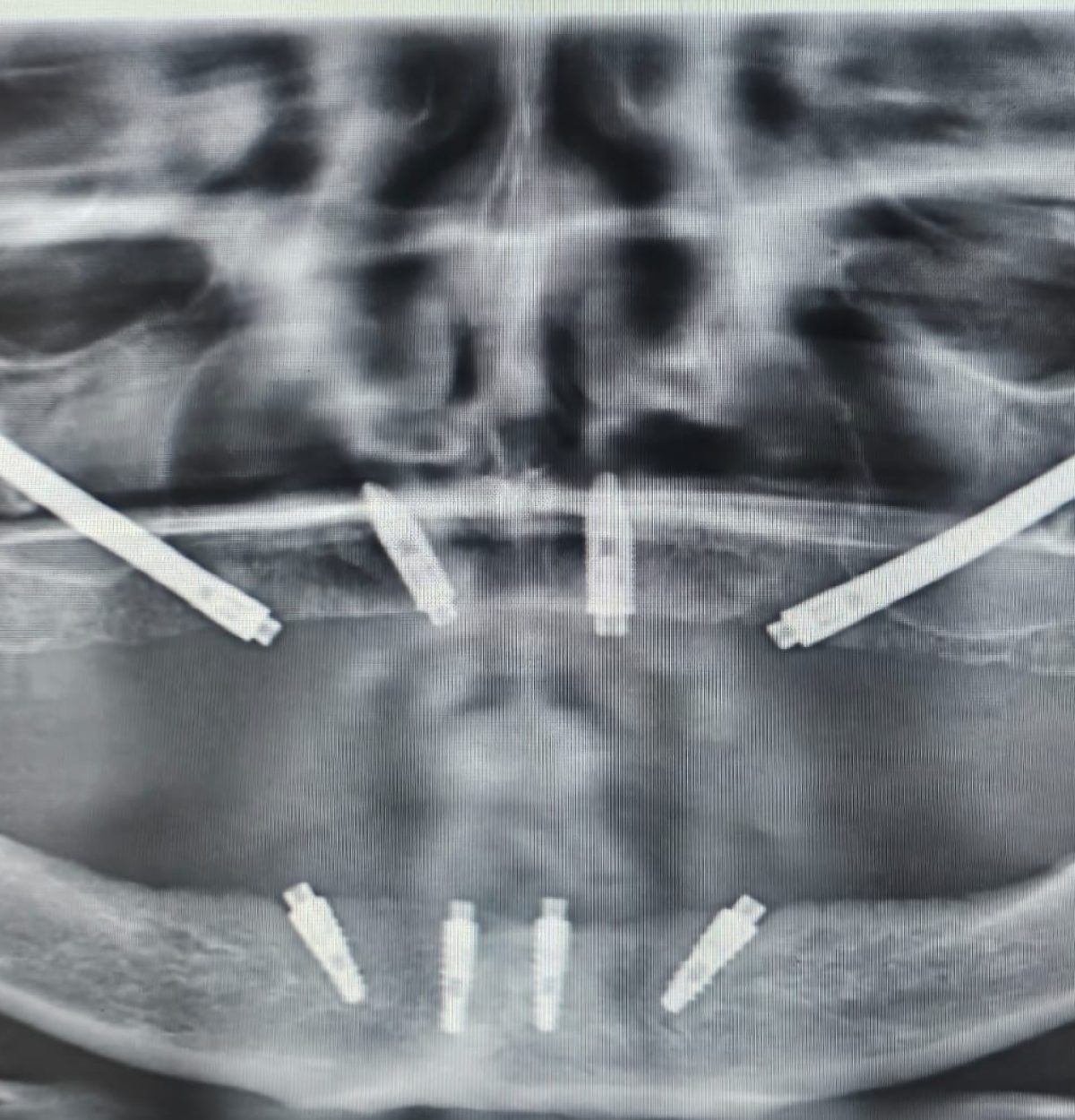
Zygomatic implants are an advanced alternative for patients who lack sufficient jawbone for conventional implants. Rather than anchoring into the jaw, they anchor into the cheekbone — which remains strong even where the jaw has deteriorated.
For those who have been told conventional implants aren’t possible, zygomatic implants can offer a pathway to full-arch implant treatment that is, in many cases, less invasive than extensive bone grafting.
This treatment may be worth exploring if you:
- Have experienced severe bone loss in the upper jaw
- Have been told elsewhere that dental implants are not possible for them
- Have worn full dentures for an extended period
- Have reduced bone height in the sinus area
- Would prefer to avoid or are not suitable for extensive bone grafting
If any of these apply to you, zygomatic implants may represent a viable path forward. Suitability can only be determined through a clinical assessment.
Zygomatic implant treatment is not offered widely in Australia. It demands a level of surgical training, anatomical knowledge, and pre-operative planning that goes well beyond standard implant placement.
Dr Kent’s advanced implant training includes zygomatic implant procedures, allowing us to assess and treat complex cases.
Every case begins with detailed imaging and a comprehensive clinical assessment — because precision at the planning stage is what makes the difference at every stage that follows.