

Most dental pain is time-sensitive. Whether it’s an infection, a broken tooth, or a loose restoration – the longer you wait, the more complex the treatment often becomes.
Severe or persistent tooth pain can signal infection, a cracked tooth, or an exposed nerve. We diagnose and relieve pain the same day.
Facial swelling and throbbing pain can indicate a serious infection. This requires urgent treatment – do not delay.
A broken tooth can have sharp edges and expose sensitive layers. We assess the damage and restore and protect the tooth on the day.
A dislodged crown or filling exposes the tooth to sensitivity and further damage. We re-cement or assess for replacement same day where possible.
Unexplained gum swelling, spontaneous bleeding, or a painful lump needs clinical assessment to rule out infection or underlying disease.
Partially erupted or impacted wisdom teeth cause acute pain, swelling, and infection. We assess and advice on extraction or management urgently.
Wisdom teeth are the last molars to develop, typically emerging between the ages of 17 and 25. Not everyone develops a full set of four — and not everyone who does will experience problems with them.
Because wisdom teeth arrive last, space in the jaw is often limited. This can cause them to grow at an angle, remain partially or fully impacted beneath the gum, or press against neighbouring teeth — making them difficult to clean and, over time, a potential source of pain, swelling, or infection
Wisdom tooth removal is not always necessary. Where a clinical assessment and imaging indicate current or developing issues, removal may be recommended if there are signs of:
Every situation is different. A thorough assessment is the only way to determine whether removal is the right course of action for your specific circumstances — and we will always explain your options clearly before recommending any treatment.
If you are experiencing wisdom tooth pain or swelling, we recommend seeking prompt assessment rather than waiting for symptoms to worsen.
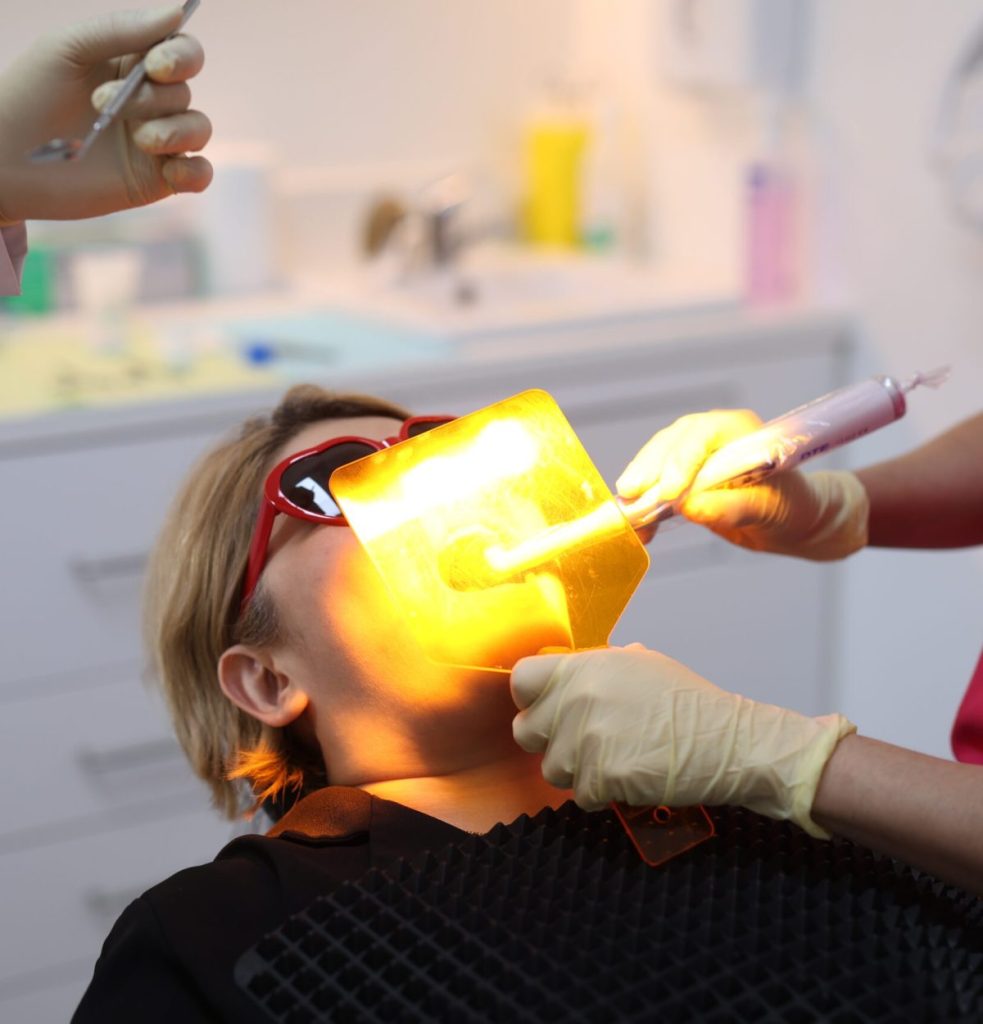
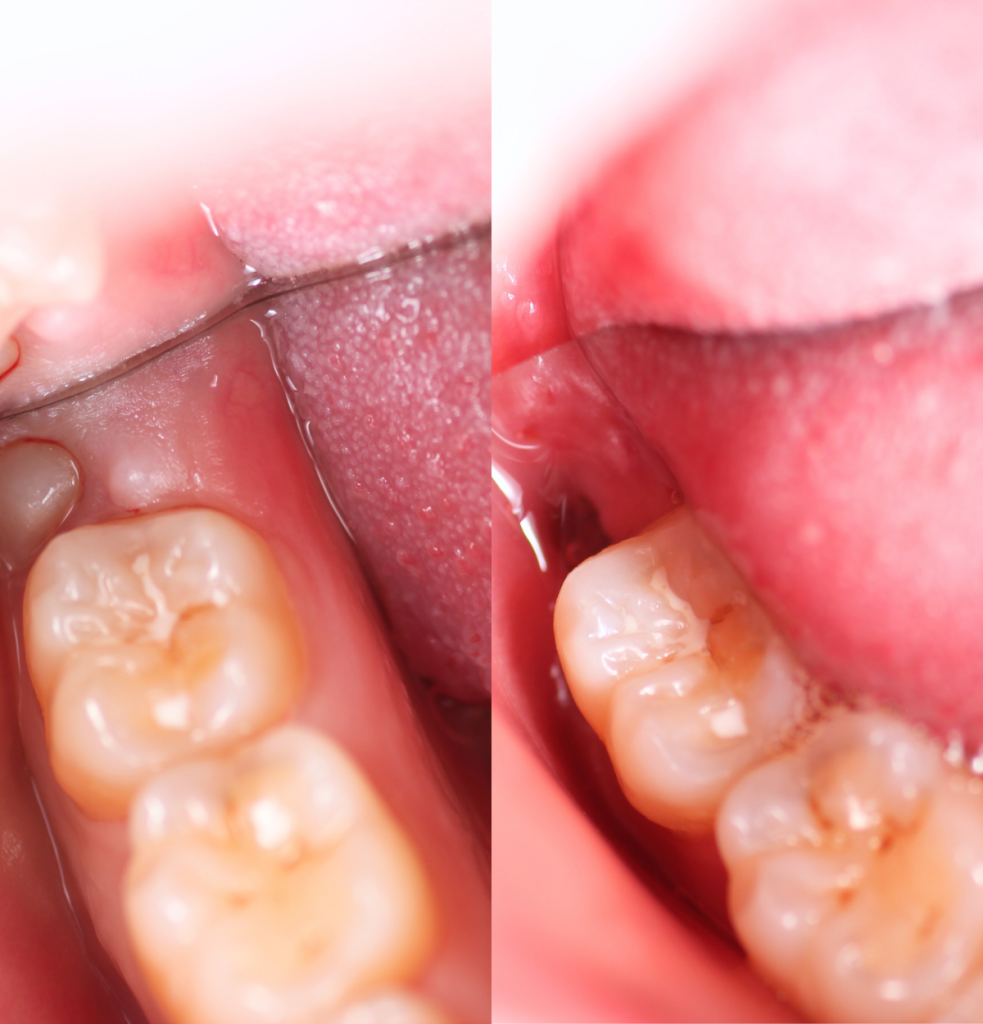
Preserving your natural teeth is always our first priority. However, in some circumstances extraction may be the most appropriate path forward and the kindest one for your long-term oral health.
Extraction is generally considered only when other treatments — such as fillings, crowns, or root canal therapy — are unlikely to provide a reliable long-term outcome. Situations where removal may be recommended include:
Not always. Where there is a viable option to save the tooth, we will explore it first and explain the realistic outcomes of each path available to you. Extraction is recommended only when the clinical evidence suggests it is the most appropriate course of action for your situation.
A thorough clinical examination and dental imaging are required before any recommendation is made.
If you are in pain or concerned about a tooth, we encourage you to seek assessment sooner rather than later — early intervention often means more options.
The purpose of a root canal is straightforward: to relieve pain, clear infection, and save a tooth that would otherwise need to be removed.
Inside every tooth is a soft tissue called the pulp, containing nerves and blood vessels. When this tissue becomes inflamed or infected, root canal treatment removes the affected tissue, cleans the inner structure of the tooth, and seals it to prevent further infection.
Treatment may be considered when the pulp has been affected by:
Symptoms vary considerably between individuals. A clinical examination and 3D dental X-rays are required to confirm the diagnosis and determine the most appropriate course of treatment.
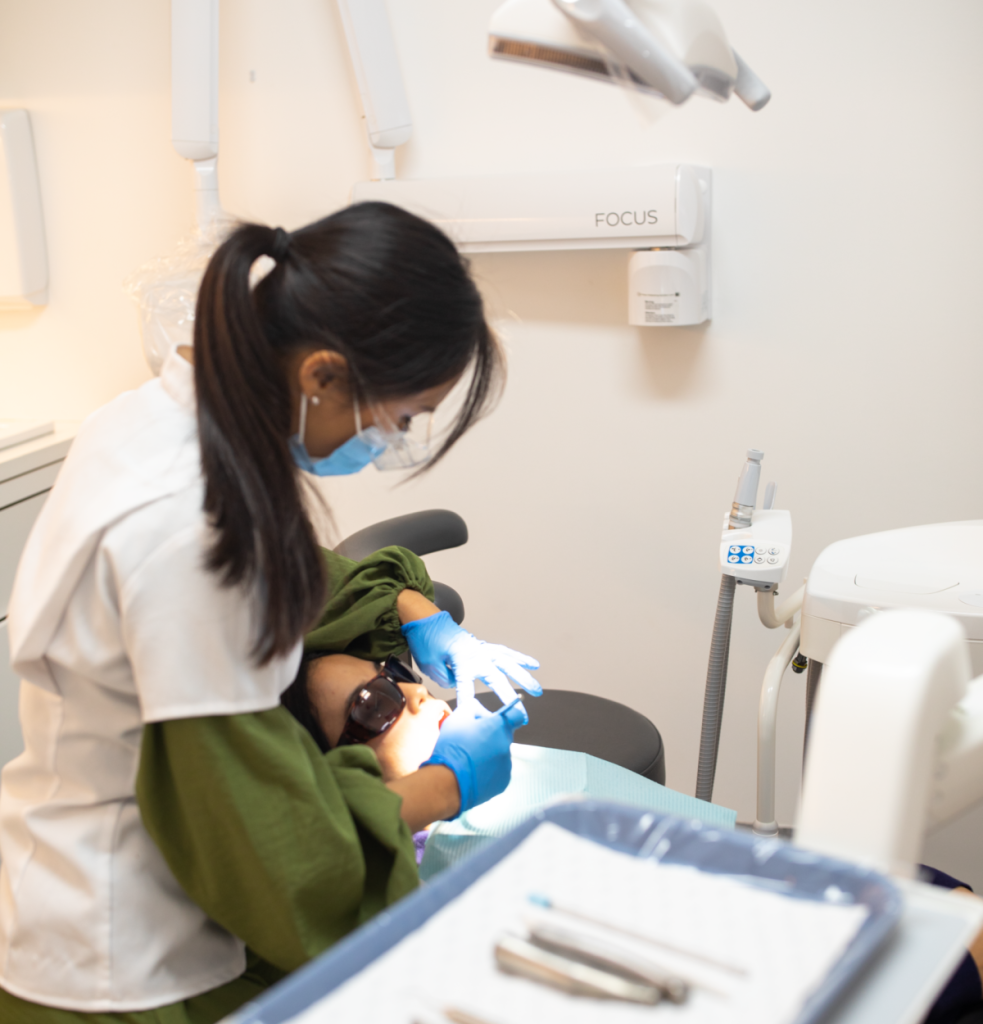
All treatment costs are discussed with you before we proceed. A consultation is typically required before treatment unless you’ve already assessed with us and have a treatment plan.
A consultation is required prior to any treatment.
This includes a full clinical assessment to determine diagnosis and appropriate treatment options.
As treatment is tailored to individual clinical findings, exact procedures and costs cannot be confirmed until after the consultation is completed.
Includes clinical examination, CBCT 3D scans and/or intraoral x-ray scans and clinical photographs. We don’t proceed with treatment until we understand the full picture and you understand the full cost.
Price is dependent on the size and complexity of the filling required.
Per tooth
Removal of an infected, broken, or non-restorable tooth.
Per tooth
Complexity varies depending on eruption position, root anatomy, and bone density.
Per tooth – 2 visits
A full ceramic cap to protect a heavily damage, cracked, or root canal treated tooth. Custom fabricated to match your surrounding teeth.
Per tooth
If your existing crown is intact and the underlying tooth is sound, we can clean and re-cement it in the same appointment.
Per tooth
For severe infected or abscessed teeth where extraction would otherwise be
Per tooth
Include a comprehensive check, 2 small x-rays, photographs, ultrasonic scaling (professional clean), EMS professional polish, fluoride treatment.
Option for hard and soft material. Custom-made and fitted to your bite.
Deep clean below the gumline, removing plaque and calculus. Prevent gum and bone loss.
Used to replace a missing tooth. Prices varies depending on complexity, need for bone grafting, and wether immediate tooth replacement is suitable.
Price is dependent on complexity and number of units. A fixed restoration is used to fill the gap left by one or more extracted teeth, anchored to neighboring natural teeth or implants.
3-unit bridge
All prices are estimate only. Your final treatment cost will be confirmed during your clinical assessment with a dentist.
Emergency Dental Care. Mascot, Sydney
Don’t wait through the discomfort. Same day appointments are available Monday, Friday, and Saturday, subject to availability.
The sooner you’re assessed, the more option we have to help.