
Dental implant treatment is an option for replacing missing or failing teeth. They can be used to replace a single tooth, multiple teeth, or a full set of teeth.
A dental implant is a small titanium post that is surgically placed into the jawbone, where it gradually bonds with the bone over the next few months. This creates a strong, stable foundation for a replacement tooth.
Once the implant has healed and is secure, a new tooth is attached on top. This might be a single crown, a bridge for several missing teeth, or a full set of fixed teeth.
Unlike a removable denture, dental implants are held firmly in place by the jawbone. They don’t rely on suction, denture glue, or neighbouring teeth for support, so they can feel and function more like natural teeth.
There are different types of dental implant treatment, and the right option depends on factors such as your oral health, jawbone, the number of teeth being replaced, and your individual needs.
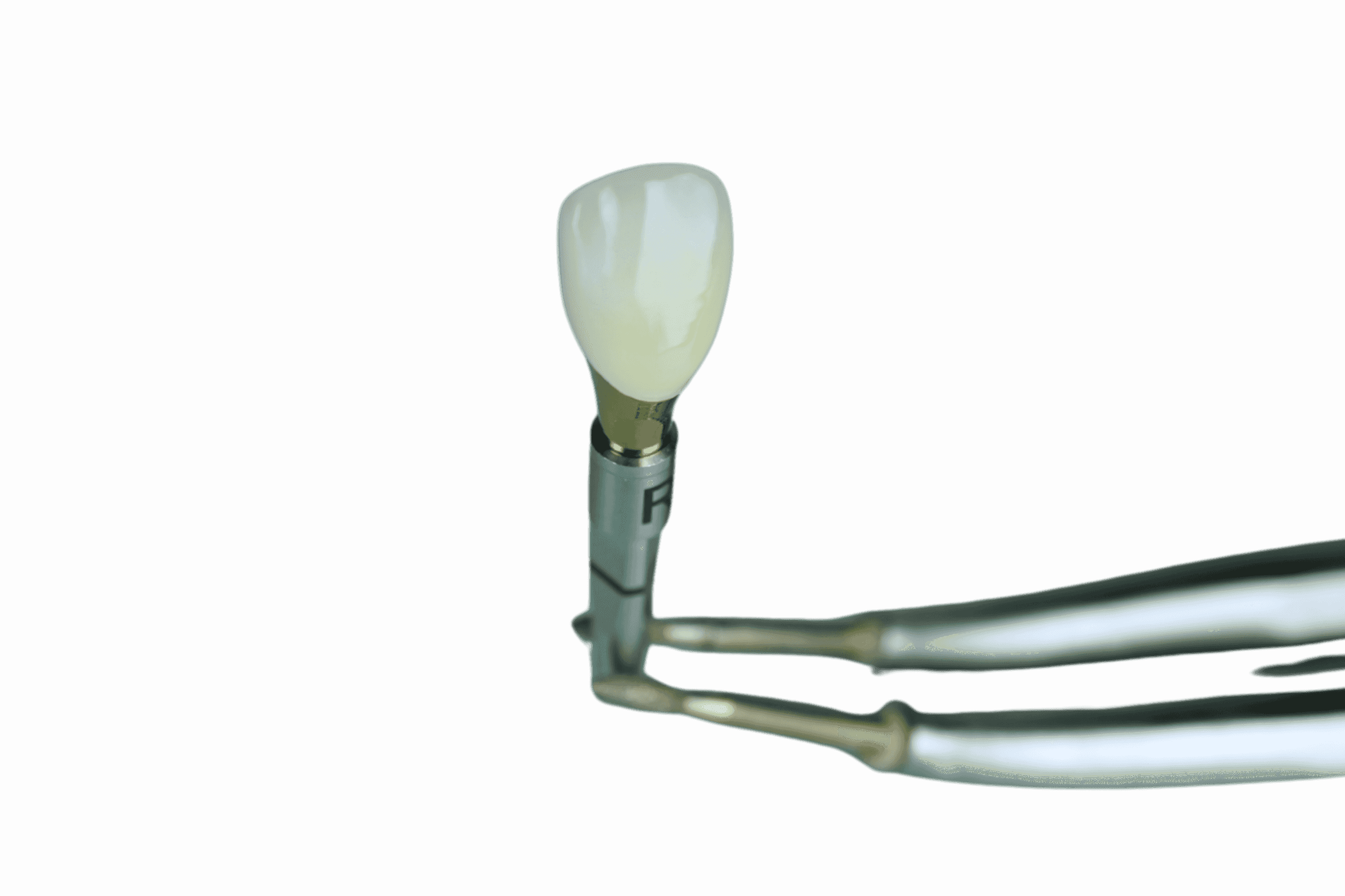
Dental implant treatment isn’t one-size-fits-all. The right approach depends on how many teeth need replacing and the condition of your remaining bone and gums.
Single Tooth Implants
A single dental implant is used to replace one missing tooth. A small titanium post is placed into the jawbone where the tooth used to be. Once the area has healed and the implant is secure, a custom-made tooth (called a crown) is attached on top.
The crown is made to blend in with your natural teeth in shape, size, and colour. For many people, this is one of the simplest types of implant treatment, as long as there is enough healthy bone to support the implant.
Multiple Tooth Dental Implants (Implant-Supported Bridges)
If you’re missing a few teeth next to each other, dental implants can be used to support a fixed bridge. Instead of placing an implant for every missing tooth, two or more implants can support several replacement teeth.
Because the bridge is supported by the implants, the healthy teeth on either side usually don’t need to be filed down for support, as they often would with a traditional bridge.
Full Mouth Dental Implants (All on 4)
If all or most of the teeth in your upper or lower jaw are missing or can no longer be saved, a full set of replacement teeth can be supported by dental implants. Usually, four or six implants are placed in carefully chosen positions to support a full arch of fixed teeth.
These teeth differ from traditional dentures, as they remain in place and are not taken out for daily cleaning.
You may hear this treatment referred to as All on 4, All on 6, All on X, Full arch dental implants, or Full mouth dental implants. These terms generally refer to the same type of treatment: a full set of fixed teeth supported by implants. The number of implants used can vary and will depend on your individual needs, including the amount and quality of bone available.
Dental implant treatment generally follows the following process:
Assessment and planning:
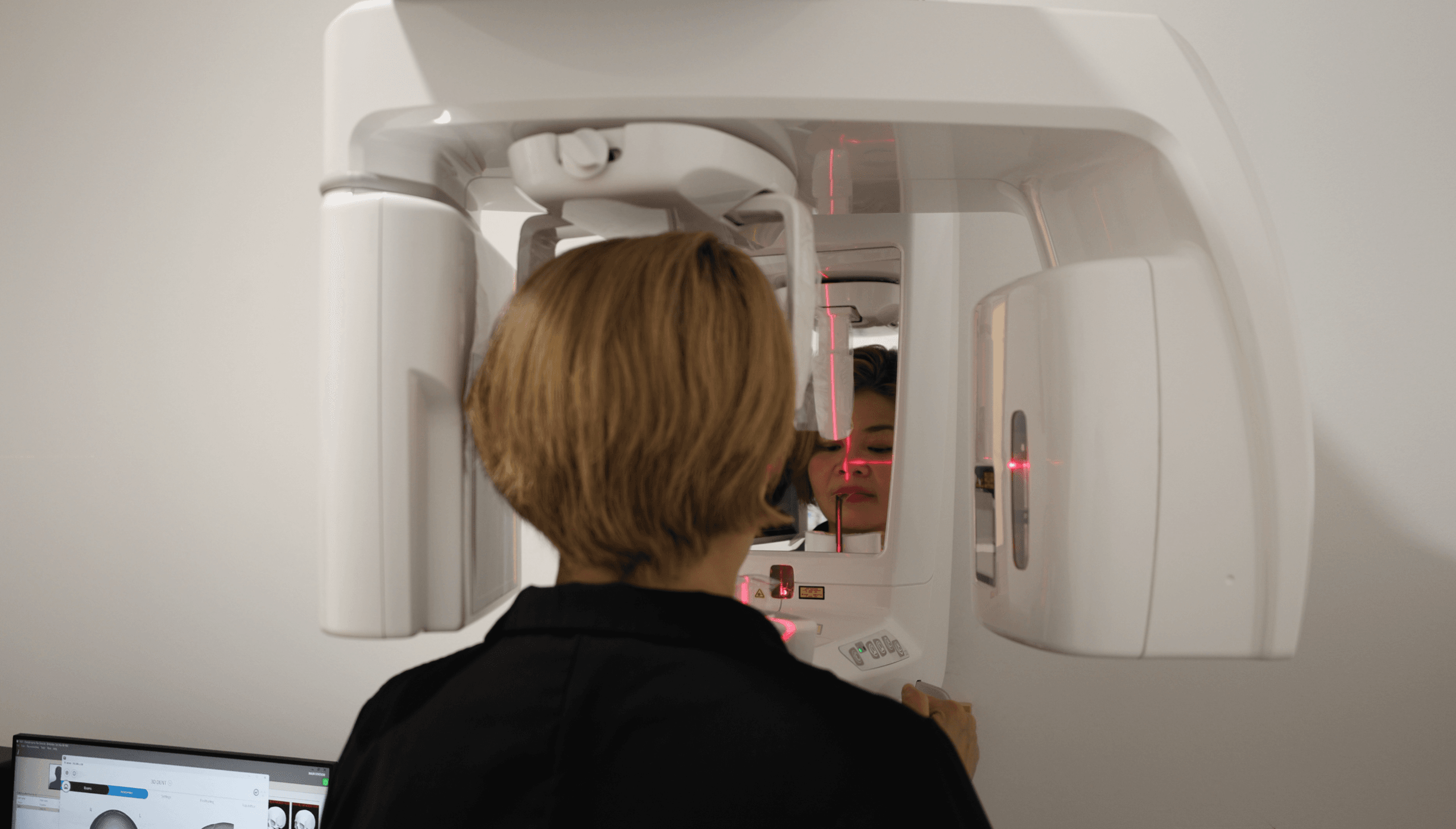
Your teeth and gums are examined and 3D scans are used to look at your jawbone. This helps determine whether dental implants are suitable for you and where they should be placed.
Implant placement:
The dental implant (a small titanium post) is carefully placed into the jawbone.
Healing:
Over the next few months, the dental implant bonds with the surrounding bone. This creates the strong foundation needed to support your new tooth or teeth.
Your new teeth are fitted:
Once the implant has healed securely, your final crown, bridge, or full set of fixed teeth is attached.
For full-arch dental treatments, a temporary set of fixed teeth is fitted after implant surgery. These are worn while the dental implants heal before the final teeth are made and fitted. You can learn more about this process on our All on 4 page.
Dental implants are designed to be a long-term solution for missing teeth and research shows that around 96% of dental implants are still in place after 10 years. However, every person is different, so this doesn’t guarantee how long an individual implant will last.
Good brushing and cleaning, regular dental check-ups, and ongoing professional care can all help keep your implants healthy for as long as possible.
It’s also important to remember that the replacement tooth attached to the implant, whether that’s a crown, bridge, or full set of teeth, may need maintenance, repair, or replacement over time. These teeth experience the everyday wear and tear of biting and chewing, just like natural teeth.
The cost of a single implant can range from $5,500 to $10,000.
The cost of full arch supported (All on 4) dental implants can range from $23,500 to $34,000 for 1 arch (either upper or lower jaw).
Costs vary depending on how many teeth are being replaced and the complexity of your case.
Some people explore using superannuation to help fund treatment. Full pricing and payment options are covered on our cost page.
Let’s bring it back out.
Generally, yes, “full arch,” “full mouth implants,” “All on 4,” “All on 6,” and “All on X” all describe the same broad category of dental implant treatment. The specific number and position of implants is determined for each person by a licensed practitioner.
Smoking and some health conditions such as uncontrolled diabetes, can affect healing and implant success, but they don’t automatically rule someone out. This is assessed individually and your dentist will review your health history and may suggest steps to improve your chances of a good outcome before proceeding.
As with any surgical procedure, some discomfort during recovery is normal and is typically managed with standard pain relief. The procedure itself is done under local anaesthetic, and your dentist will talk you through what to expect for your specific treatment.
