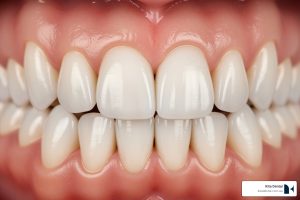
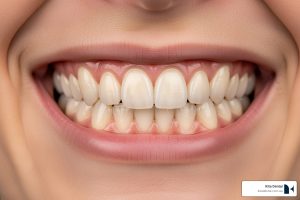
How to Clean Your All on 4 Dental Implants: A Step-by-Step Guide
To clean All on 4 dental implants, brush the bridge twice a day with a soft toothbrush, clean carefully along the gumline where the bridge meets your gums, and clean underneath the bridge using super floss, interdental brushes or a water flosser. Because the teeth are fixed and connected, the most important step is cleaning the area beneath the bridge, where plaque and food can collect. Regular professional cleans round out the routine. Here is how to do it, step by step.
Why cleaning All on 4 implants is a little different
With natural teeth, you floss down between each tooth. An All on 4 bridge is a single fixed unit, so you can’t floss between the teeth in the usual way. Instead, the goal is to clean under the bridge and around where it sits against the gum. Keeping this area clean helps prevent plaque build-up, gum inflammation and peri-implantitis inflammation around the implants that, if left untreated, can affect the bone supporting them. Good daily cleaning is the single most important habit for protecting your result.
What you’ll need
A simple kit makes the routine easier:
- A soft-bristled toothbrush (manual or electric)
- Super floss or floss threaders (designed to pass under the bridge)
- Interdental brushes in the size your dentist recommends
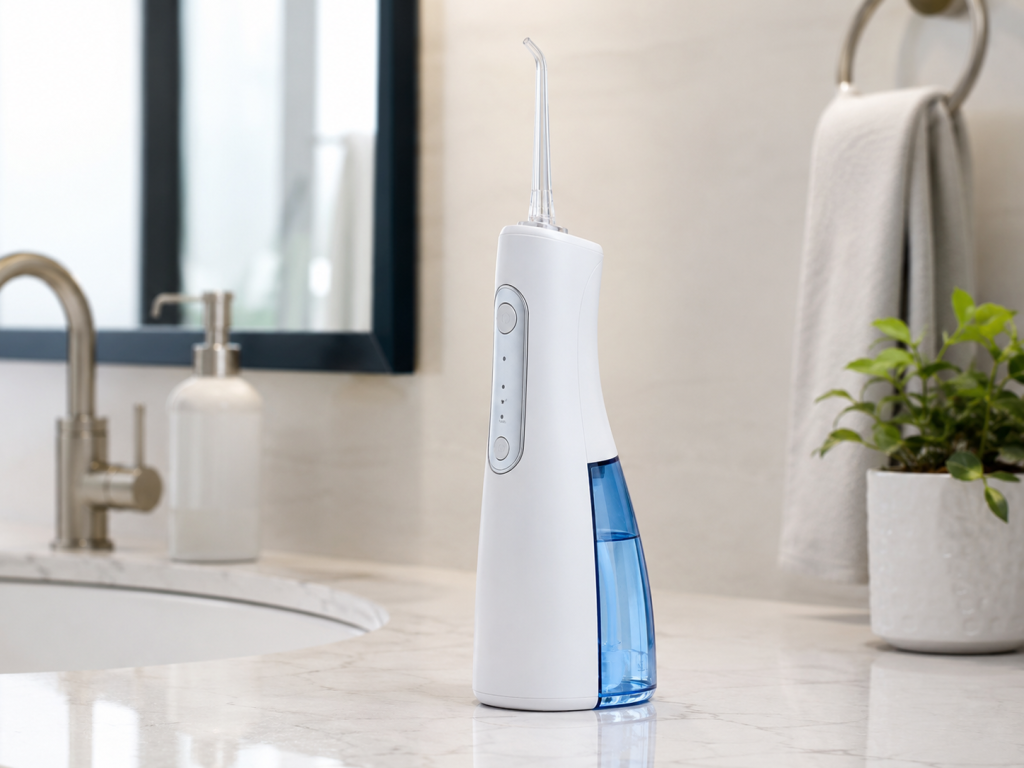
- A water flosser (oral irrigator), which many people find especially helpful for full-arch bridges
- A low-abrasive toothpaste
- An antibacterial mouthwash, only if your dentist advises one
Step-by-step daily cleaning routine
- Rinse first. Swish with water (or an advised mouthwash) to loosen any loose food and debris before you start.
- Brush the bridge. Using a soft toothbrush, gently brush all surfaces of the bridge — the outer (cheek/lip) side, the inner (tongue) side, and the chewing surfaces. Take your time and use small movements.
- Clean along the gumline. Angle the brush towards the line where the bridge meets your gums and clean gently along it. This junction is where plaque tends to gather.
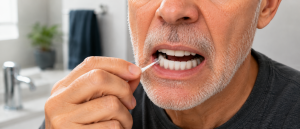
- Clean underneath the bridge. Thread super floss or a floss threader under the bridge, then move it gently back and forth along the underside to sweep away plaque. Work along the whole arch so you don’t miss any sections.
- Use interdental brushes. Pass an appropriately sized interdental brush into the spaces beneath and around the bridge and the implant connection points, cleaning where floss alone may not reach.
- Use a water flosser. Run the water flosser along and under the bridge to flush out anything remaining from the hard-to-reach areas. Start on a lower pressure setting and aim the tip at the gumline and the underside of the bridge.
- Final rinse. Finish with a final rinse, and use an antibacterial mouthwash only if it has been recommended for you.
How often should you clean them?
A good general routine is to brush at least twice a day and clean under the bridge daily with floss, interdental brushes and/or a water flosser. Cleaning thoroughly before bed is particularly important, as less saliva is produced overnight. Your dentist may tailor this to your needs.
Don’t skip professional maintenance
Daily home care does most of the work, but regular visits to your dentist and hygienist are essential. At these appointments your dental team can clean areas that are difficult to reach at home, remove hardened deposits, and check the implants, bridge, gums and bone for any early signs of trouble. Catching issues like early peri-implantitis sooner makes them easier to manage. Your dentist will advise how often you should come in.
Common mistakes to avoid
- Skipping under the bridge. Brushing the top alone isn’t enough — the underside is where cleaning matters most.
- Using abrasive or hard tools. Hard-bristled brushes or very abrasive pastes can scratch the prosthesis; soft and low-abrasive is best.
- Being too rough. Gentle, thorough cleaning is more effective than scrubbing hard.
- Forgetting professional cleans. Home care and professional maintenance work together.
- Ignoring early warning signs. Bleeding, swelling, soreness or a persistent bad taste are worth mentioning to your dentist.
Frequently asked questions
How do you clean under an All on 4 bridge? Use super floss or a floss threader to pass under the bridge and move it back and forth along the underside, supported by interdental brushes and a water flosser to reach areas floss can’t. This under-bridge cleaning is the most important part of the routine.
Can you use a water flosser on All on 4 implants? Yes — many people find a water flosser very helpful for full-arch implants, as it flushes debris from under and around the bridge. Start on a lower pressure setting and aim it at the gumline and the underside of the bridge.
How often should I clean my All on 4 implants? Brush at least twice a day and clean under the bridge daily with floss, interdental brushes or a water flosser, plus attend regular professional cleans. Your dentist may adjust this for your needs.
Do you need special toothpaste for implants? A low-abrasive toothpaste is generally recommended, as highly abrasive pastes can scratch the prosthesis. Your dentist can suggest a suitable product.
What happens if you don’t clean All on 4 implants properly? Plaque can build up under and around the bridge, leading to gum inflammation and peri-implantitis, which can affect the bone supporting the implants if left untreated. Consistent cleaning and regular check-ups help prevent this.
Can I damage my All on 4 bridge by cleaning it? Gentle cleaning with soft tools won’t damage a well-made bridge. Avoid hard-bristled brushes and very abrasive products, and ask your dental team to show you the right technique if you’re unsure.
Need a hand with your routine?
Your dental team can show you the best cleaning technique for your specific bridge and recommend the right tools for you.
Book a consultation with Kita Dental to discuss caring for your All on 4 implants.
This article is general information only and is not a substitute for personalised advice from a registered dental practitioner. Always follow the specific cleaning instructions given by your own dental team.
References
- Dental Board of Australia / AHPRA — Guidelines for advertising a regulated health service. ahpra.gov.au
- Australian Dental Association — patient information on caring for dental implants. ada.org.au
- healthdirect (Australian Government) — Dental implants and Looking after your teeth and gums. healthdirect.gov.au
Written by Dr Chin Kent Boon
May 22 2026
All on X treatments at Kita Dental are led by Dr Kent, Principal Dentist and Implantologist, who holds a Master of Oral Implantology. Kita Dental is a dental clinic located in Mascot, NSW, with a strong focus on dental implants.
This article is general information only and is not a substitute for personalised advice from a registered dental practitioner. Outcomes vary from patient to patient.