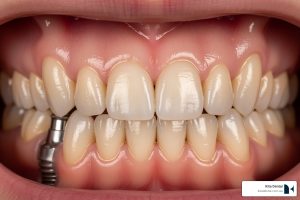
Failed Dental Implants: What Happens Next?
Dental implant failure is uncommon, but it can happen. If an implant fails, it is usually removed so the area can heal, and in many cases a new implant can be placed later, sometimes after a period of healing or bone grafting if bone has been lost. Exactly what happens next depends on why the implant failed and the condition of the surrounding bone. The most important step is to see your dentist promptly, because acting early often means simpler treatment. This guide explains what implant failure is, why it happens, and what to expect.
What does a failed implant mean?
A dental implant is considered to have failed when it no longer integrates with or is supported by the bone as it should. There are two broad types:
- Early failure happens in the weeks or months after placement, before the implant has fully fused with the bone (osseointegration). The implant doesn’t take hold as expected.
- Late failure happens after an implant has successfully integrated — sometimes years later, usually because of bone loss around the implant or mechanical problems over time.
Either way, failure doesn’t usually mean implants are no longer an option for you, it means the situation needs to be assessed and managed.
Why do dental implants fail?
Understanding the cause helps guide what happens next. Common factors include:
- Infection, including peri-implantitis (gum disease around the implant), which can destroy supporting bone.
- Poor osseointegration — the implant not fusing properly with the bone, sometimes due to bone quality or insufficient initial stability.
- Insufficient bone to support the implant long term.
- Smoking, which is strongly associated with healing problems and implant failure.
- General health factors, such as poorly controlled diabetes.
- Excessive force, for example from grinding or clenching (bruxism), or an uneven bite.
- Inadequate cleaning, allowing plaque to build up around the implant.
Signs a dental implant may be failing
See your dentist promptly if you notice:
- Pain or discomfort around an implant, especially if it develops after a period of being fine
- An implant or the attached tooth that feels loose or moves
- Red, swollen, tender or bleeding gums around the implant
- Gum recession around the implant
- Difficulty chewing on that side
- Persistent bad taste, bad breath or discharge
Some of these can also be early signs of treatable problems like peri-implantitis, which is exactly why catching them early matters.
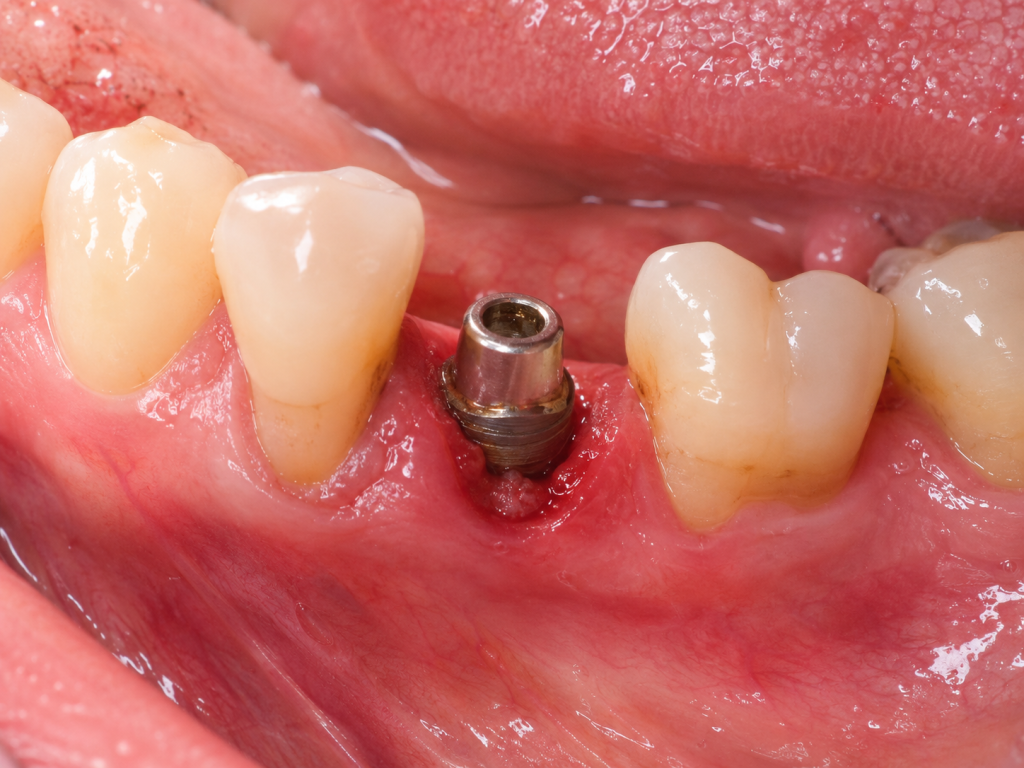
What happens next: step by step
If an implant has failed or is failing, treatment generally follows these stages, tailored to your situation:
- Assessment. Your dentist examines the implant and takes imaging (such as an X-ray or 3D CBCT scan) to understand the cause and check the surrounding bone.
- Removing the implant. A failed implant is usually removed, which is often a straightforward procedure. Any infection is also addressed.
- Healing. The area is given time to heal. If there was infection or bone loss, this healing period is important before considering a replacement.
- Assessing the bone. Your dentist checks how much healthy bone remains. If bone has been lost, bone grafting may be recommended to rebuild it before a new implant can be placed.
- Replacement or alternatives. Once the area is healthy, a new implant can often be placed. Where bone is very limited, alternative approaches — such as different implant positions or, in the upper jaw, zygomatic implants, may be discussed.
In some cases, the issue is with the crown or bridge rather than the implant itself, in which case the restoration may be repaired or remade.
Can a failed implant be replaced?
In many cases, yes a new implant can be placed after the area has healed, though this isn’t guaranteed for everyone and depends on the cause of failure and the bone that remains. Sometimes a replacement can be placed relatively soon; other times more healing or grafting is needed first, which extends the timeline. Your dentist will explain what’s realistic for your situation after assessing it. Addressing the original cause whether that’s infection, smoking, bite forces or cleaning is an important part of giving a replacement the best chance.
Reducing the risk of it happening again
If you’ve had an implant fail, a few things help protect a replacement and your other implants:
- Clean thoroughly every day, including under and around implants and bridges.
- Keep up regular check-ups and professional cleans so problems are caught early.
- Stop smoking, which significantly improves healing and long-term outcomes.
- Manage health conditions such as diabetes.
- Address grinding or clenching a nightguard may be recommended if this is a factor.
- Act on early warning signs rather than waiting.
When to see your dentist
If you have any pain, looseness, swelling or other changes around an implant, don’t wait, book in as soon as you can. Many implant problems are far easier to manage when caught early, and prompt assessment gives you the most options. If you’re worried about an implant placed elsewhere, you can still see a local dentist for an assessment.
References
- Dental Board of Australia / AHPRA — Guidelines for advertising a regulated health service. ahpra.gov.au
- Australian Dental Association — patient information on dental implants. ada.org.au
- healthdirect (Australian Government) — Dental implants. healthdirect.gov.au
Written by Dr Chin Kent Boon
April 30 2026
All on X treatments at Kita Dental are led by Dr Kent, Principal Dentist and Implantologist, who holds a Master of Oral Implantology. Kita Dental is a dental clinic located in Mascot, NSW, with a strong focus on dental implants.
This article is general information only and is not a substitute for personalised advice from a registered dental practitioner. Outcomes vary from patient to patient.