Are Veneers Bad for Your Teeth? An Honest Look
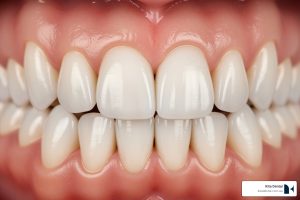
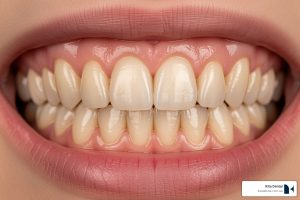
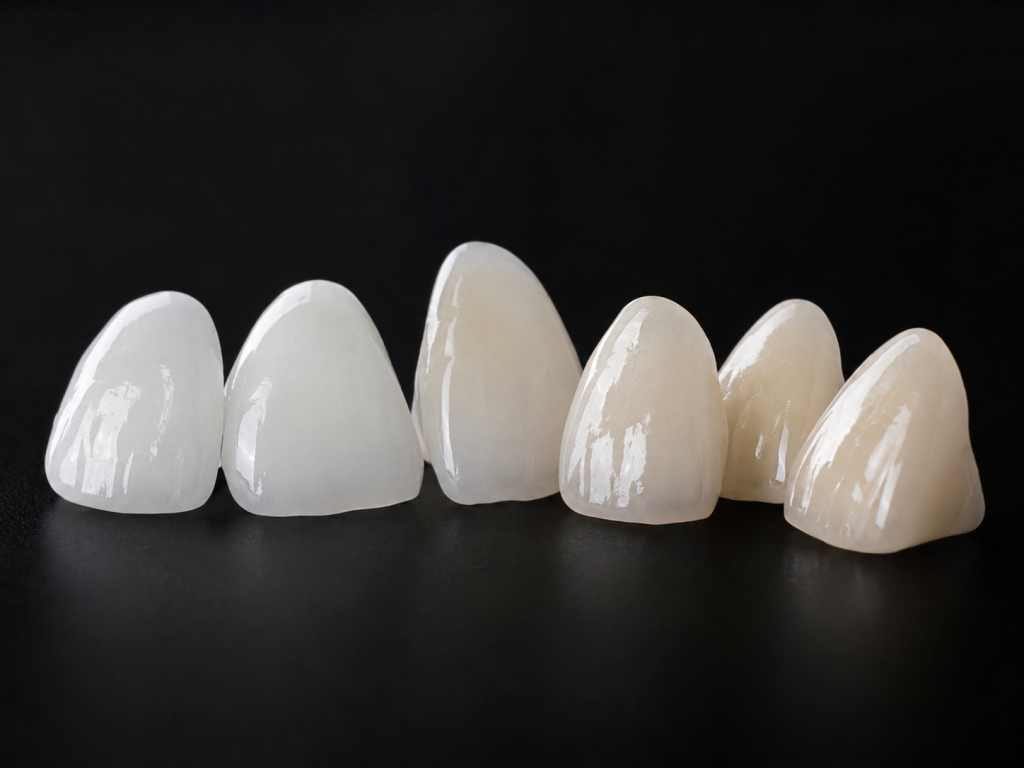
Veneers aren’t inherently bad for your teeth, but they do involve trade-offs worth understanding before you decide. Porcelain veneers usually require removing a thin layer of enamel, which doesn’t grow back, so that change is generally permanent, while composite veneers are more conservative and often remove little or no enamel. When placed on healthy teeth by a suitably trained dentist and looked after well, veneers are a well-established treatment. But the natural teeth underneath still need care, and veneers aren’t the right choice for everyone. Here’s an honest look at the concerns.
Do veneers damage your teeth?
The honest answer depends on the type of veneer and how it’s done. The main concern people have is enamel removal. To fit porcelain veneers, a dentist usually removes a thin layer of enamel from the front of the tooth so the veneer sits flush and looks natural. Because enamel doesn’t regrow, this preparation is generally considered irreversible — once a tooth has been prepared for a veneer, it will typically always need a veneer or crown on it.
This doesn’t mean veneers “ruin” your teeth, but it does mean it’s a permanent decision that shouldn’t be taken lightly, particularly on otherwise healthy teeth. Composite veneers are usually more conservative, often removing little or no enamel, which is one reason some people prefer them.
The common concerns, addressed honestly
Sensitivity. Removing enamel can leave some teeth more sensitive to hot and cold, especially in the period after preparation. For many people this settles, but sensitivity is a recognised possibility.
Decay under or around veneers. A veneer covers the front of the tooth, but the rest of the tooth is still natural and can still decay, particularly at the edges where the veneer meets the tooth if plaque builds up. Good oral hygiene remains essential; veneers don’t make a tooth immune to decay or gum disease.
Irreversibility. As above, porcelain veneer preparation is usually permanent. It’s important to be comfortable with that before proceeding.
Longevity and replacement. Veneers don’t last forever. Over time they may chip, stain (composite more than porcelain), or need replacing and because the tooth underneath has been prepared, it will generally need a replacement veneer or crown rather than being left bare.
The bite and grinding. Habits like grinding or clenching can chip or damage veneers and put stress on the teeth, which is something a dentist will assess beforehand.
When veneers might not be a good idea
Veneers aren’t suitable for everyone. They may not be recommended or may need other treatment first if you have:
- Active tooth decay or gum disease (usually treated before any cosmetic work)
- Insufficient healthy enamel for the veneer to bond to
- Significant grinding or clenching that isn’t managed
- Expectations that a dentist feels aren’t realistic for your teeth
A thorough assessment is how a dentist works out whether veneers are appropriate for you, or whether a more conservative option (such as composite veneers or whitening) or a different approach would be better.
How to protect your teeth if you choose veneers
If veneers are right for you, a few things help protect both the veneers and the teeth underneath:
- Start with healthy teeth and gums. Any decay or gum issues should be addressed first.
- Maintain excellent oral hygiene. Brush twice a day and clean between your teeth, paying attention to the gumline and veneer edges.
- Keep up regular check-ups and cleans, so your dentist can monitor the veneers and the natural teeth.
- Consider a nightguard if you grind or clench your teeth.
- Choose the right option for you. A more conservative choice, like composite veneers, may suit if preserving enamel is a priority.
Why the dentist and the planning matter
Much of whether veneers are a good outcome comes down to careful assessment, conservative preparation, and good planning — making sure veneers are appropriate for your teeth in the first place, and that healthy tooth structure is preserved as much as possible. This is why it’s worth taking time over the decision and the choice of dentist, rather than rushing into treatment.
References
- Dental Board of Australia / AHPRA — Guidelines for advertising a regulated health service. ahpra.gov.au
- Australian Dental Association — patient information on veneers and cosmetic dentistry. ada.org.au
- healthdirect (Australian Government) — Dental veneers. healthdirect.gov.au
Written by Dr Chin Kent Boon
January 18 2026
All Veneer treatment at Kita Dental is led by Principal Dentist Dr Kent Boon. Kita Dental is a dental clinic located in Mascot, NSW, with a strong focus on dental implants and veneers.
This article is general information only and is not a substitute for personalised advice from a registered dental practitioner. Outcomes vary from patient to patient.