What is Recovery and Aftercare like for Dental Implants?
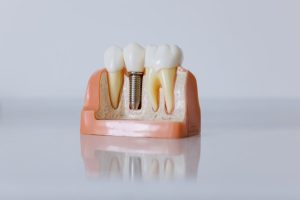
Recovery from dental implant surgery usually involves some swelling, bruising and mild discomfort for a few days, which is managed with rest and pain relief as advised by your dentist. Most people return to everyday activities within a day or two, follow a softer diet for a short period, and keep the area clean while it heals. Underneath, the implant gradually fuses with the jawbone over several months. Your dentist will give you specific aftercare instructions for your situation. The points below are a general guide to what to expect.
The Stages of Dental Implant Healing, at a Glance
- Initial healing (24–48 hours) — swelling, tenderness and some bleeding are normal as the surgical site starts to settle.
- Early recovery (first week) — discomfort and swelling peak in the first two to three days, then steadily ease. Many people feel noticeably better within a week.
- Healing phase (several months) — beneath the surface, the implant gradually fuses with the jawbone. This is the longest stage, and the one that gives the implant its long-term stability.
- Final restoration and long-term care — once healing is confirmed, your final tooth or teeth are fitted. From here, the implant is maintained much like a natural tooth, with daily cleaning and regular check-ups.

The First 24 to 48 Hours
The first day or two after surgery is when most of the initial healing begins. During this period it is normal to experience some swelling, minor bleeding or oozing, and tenderness around the site. Helpful general measures include:
- Rest and avoid strenuous activity for the first day or so.
- Apply a cold pack to the outside of the cheek in short intervals to help reduce swelling, if your dentist recommends it.
- Take pain relief as advised or prescribed.
- Avoid disturbing the area. Don’t poke it with your tongue or fingers, and avoid vigorous rinsing for the first 24 hours.
- Avoid smoking and alcohol, which can interfere with healing.
Always follow the specific instructions your dentist gives you, as these take priority over general advice.
The First Week
Swelling and discomfort typically peak within the first two to three days and then begin to settle. Many people feel noticeably better within a week. During this time you may be advised to:
- Rinse gently with warm salt water after the first day to help keep the area clean.
- Continue brushing your other teeth carefully, keeping clear of the surgical site as directed.
- Stick to softer foods and ease back to your normal diet gradually.
- Attend any review appointment your dentist arranges, and have stitches checked or removed if needed.
How long after dental implants can I eat normally?
It depends on the type of treatment. For a single implant, most people return to a normal diet within a few weeks, once the surgical site has settled. For a bigger treatment like All on 4, a softer diet is needed for longer, generally 3 months until your final teeth are fitted, since the temporary teeth worn during healing are more delicate than the permanent set.
A softer diet protects the area while it heals. In the first days, many people find it easier to eat foods such as soups (not too hot), yoghurt, smoothies, mashed vegetables, eggs and other soft options. General tips include:
- Avoid very hot foods and drinks in the first 24 hours.
- Avoid hard, crunchy, chewy or very sticky foods that could disturb the site.
- Where possible, chew on the opposite side to the surgery.
- Drinking plenty of water helps, though your dentist may advise avoiding straws early on, as the suction can affect healing.
You’ll usually return to a normal diet gradually, guided by how you feel and your dentist’s advice.
Keeping the area clean
Good oral hygiene is one of the most important parts of implant aftercare, because keeping the area clean helps prevent infection. After the initial healing period, your dentist or hygienist will show you how to clean around the implant or, for a full-arch bridge, how to use tools such as interdental brushes, super floss or a water flosser to clean underneath and around it. Gentle, consistent cleaning protects the result.
Long-term aftercare
Once healed, an implant is cared for much like a natural tooth. The most important long-term habits are daily brushing and cleaning around the implant, and regular professional check-ups and cleans. These visits let your dentist monitor the implant, gums and surrounding bone, and catch any issues such as the early signs of peri-implantitis (inflammation around an implant) — before they become more serious. Good ongoing care is the single biggest factor in an implant lasting well.
When to contact your dentist
Some swelling and discomfort is expected, but contact your dentist if you experience any of the following, as they may need to check the area:
- Bleeding that does not settle or is heavy
- Pain or swelling that gets worse after the first few days rather than improving
- Signs of infection, such as fever, pus or a bad taste that won’t go away
- An implant or temporary tooth that feels loose
- Numbness that persists
If you ever feel something isn’t right, it’s always reasonable to call and ask. This list is a general guide, not a substitute for your dentist’s own advice.
References
- Dental Board of Australia / AHPRA — Guidelines for advertising a regulated health service. ahpra.gov.au
- Australian Dental Association — patient information on dental implants and post-operative care. ada.org.au
- healthdirect (Australian Government) — Dental implants and Looking after your teeth after surgery. healthdirect.gov.au
Written by Dr Kent Boon
26 February 2026
All on X treatments at Kita Dental are led by Dr Kent, Principal Dentist and Implantologist, who holds a Master of Oral Implantology. Kita Dental is a dental clinic located in Mascot, NSW, with a strong focus on dental implants.
This article is general information only and is not a substitute for personalised advice from a registered dental practitioner. Outcomes vary from patient to patient.